

Feeling violated after a break-in is an all-too-common experience for many homeowners. The reality is, knowing what to do when your home has been broken into can make all the difference in your recovery process.
This article will walk you through the immediate actions you should take, from contacting authorities to securing your home again. By following these guidelines, you’ll not only protect yourself but also regain a sense of normalcy in your life.
Steps To Take After A Home Invasion
When your home has been broken into, the first few hours are the most critical. Acting quickly and calmly can help prevent further loss and speed up your recovery. Start by contacting local authorities — do not try to handle the situation alone.
Report the break-in immediately and provide as many details as possible about what you noticed, such as the time, any strange vehicles, or people you may have seen earlier. Once the police arrive, allow them to inspect the property and gather evidence before touching or cleaning anything.
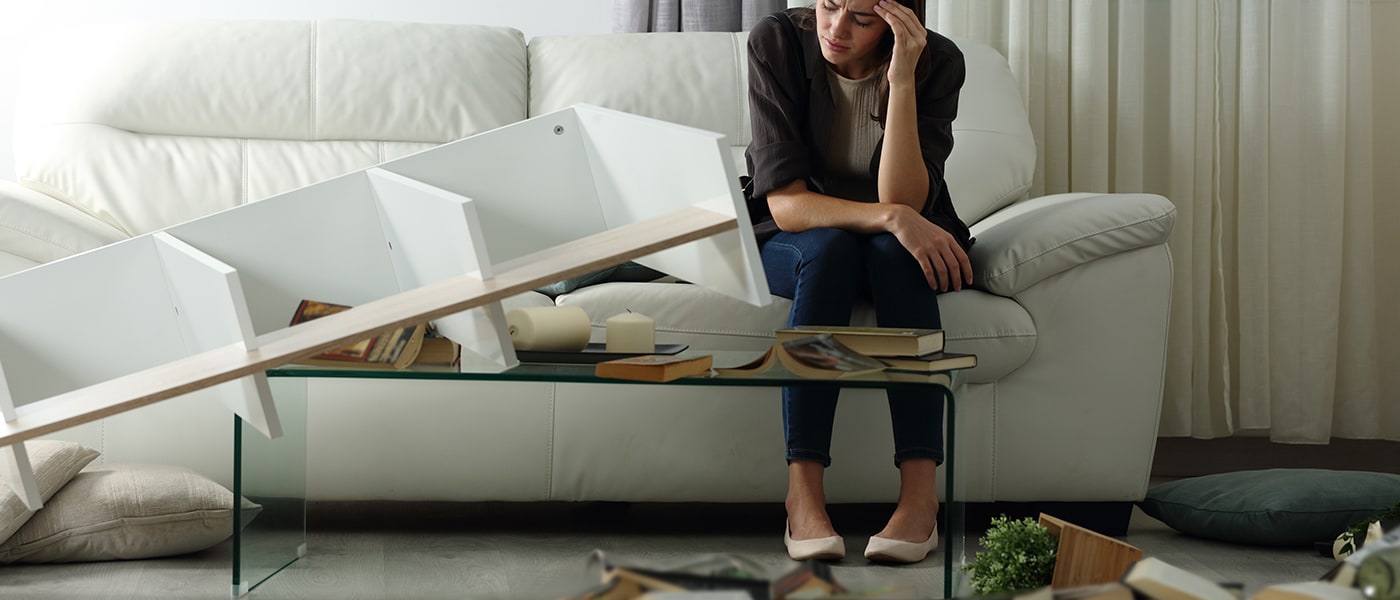
After the authorities have completed their report, contact your insurance company to start a claim. Most insurance providers will need a copy of the police report and a list of stolen or damaged items.
Take photos of everything, including broken locks, windows, and doors, as these can serve as proof for your claim. If you have receipts or serial numbers for stolen items, share those details as well.
Ensure Your Safety Before Entering the Home
Your safety always comes first. If you arrive home and notice signs of a break-in — such as a broken window, an open door, or things out of place — do not go inside. The intruder might still be there. Instead, move to a safe location, such as a neighbor’s house or your car, and call the police immediately.
Avoid touching anything that could be used as evidence. It’s natural to want to check what was taken or damaged, but it’s better to wait until law enforcement clears the scene. Once officers arrive, let them handle the initial inspection and gather the information they need.
After the authorities have confirmed the area is safe, you can carefully re-enter your home with their permission. Take a deep breath — it’s normal to feel shaken.
This first step is about ensuring everyone’s safety and preventing any further harm or loss. Even if you’re certain the intruder is gone, calling for help ensures that no one faces potential danger alone.
Review Security Footage
If you have a home security system or smart doorbell camera, now is the time to review your footage. This can help identify when the break-in occurred and potentially who was involved.

Save all video clips that show suspicious activity, and make copies for law enforcement. These recordings can serve as key evidence during an investigation or insurance claim.
If you don’t already have cameras set up, this experience may highlight the importance of having them. Even a few affordable security cameras placed around doors, driveways, and backyards can act as strong deterrents to would-be burglars.
For now, your goal is to gather as much information as possible to help the police track down the intruder. Remember, every small detail — from the direction someone came from to the time they entered — can make a difference in solving the case.
Install Smart Locks For Added Protection
Once your home has been cleared and you’ve filed a police report, securing your property should be your next priority. Start by replacing or upgrading your locks. Smart locks are one of the most effective and convenient ways to add a layer of protection.
These locks let you control entry through your phone, use unique access codes, and even receive alerts if someone tries to tamper with them. Unlike traditional locks, smart locks remove the risk of losing keys or having them copied. Some even integrate with your home’s security system, giving you control and peace of mind whether you’re home or away.
For homeowners who’ve experienced a break-in, knowing that you can lock and monitor your doors remotely brings a strong sense of reassurance.
Install Motion Sensors and Lighting
Lighting plays a powerful role in home security. Burglars prefer dark, hidden areas where they can move undetected. Installing motion-activated lights around your home’s exterior can help deter potential intruders before they even attempt to break in.
When someone approaches, the lights automatically turn on — catching them off guard and alerting you or your neighbors.

Inside your home, motion sensors can be just as effective. They can trigger alarms or send alerts to your phone if movement is detected while you’re away. Many systems can even integrate with your security cameras and smart locks for a complete protection network.
Try placing exterior lights near driveways, side gates, and windows. Inside, focus on high-traffic areas like hallways or main entry points. For added security, consider using smart bulbs that can be controlled remotely or programmed to turn on and off while you’re not home. This can give the illusion that someone is there, discouraging further break-in attempts.
Connect with Neighbors to Create a Safer Community
After a break-in, it’s easy to feel isolated or distrustful — but connecting with your neighbors can be one of the most powerful ways to rebuild confidence and safety. Inform nearby residents about what happened so they can stay alert. This also helps create a sense of shared awareness, which can discourage future crimes in your neighborhood.
Consider starting or joining a neighborhood watch group. These groups promote communication and teamwork between residents and local law enforcement. They often use group chats or social media to share safety updates, suspicious activity, or general tips for home protection. The goal isn’t just to catch criminals but to prevent opportunities for crime in the first place.
Simple actions can go a long way. Keep an eye on your neighbors’ homes when they’re away, report unfamiliar vehicles that linger too long, and make sure your streetlights are working properly. A connected community creates a strong layer of protection that no single security system can provide on its own!