

WiFi performance is a big part of modern living, especially as more devices rely on stable internet connections. Home automation systems are no longer just about convenience—they also play a key role in improving network efficiency.
This article goes over how home automation helps WiFi and the ways it improves signal strength, routing, and overall performance.
Ways Home Automation Helps WiFi Signals
Modern homes are filled with connected devices, from smart TVs to security cameras, all competing for bandwidth. This is where home automation helps WiFi by organizing how these devices communicate with the network.
Instead of everything trying to connect at once, automation systems can prioritize devices and manage traffic more efficiently, leading to smoother performance across the board.
One of the biggest advantages is that automation brings structure to what would otherwise be a chaotic network environment. By coordinating how and when devices access the internet, the system reduces interference and keeps connections stable.
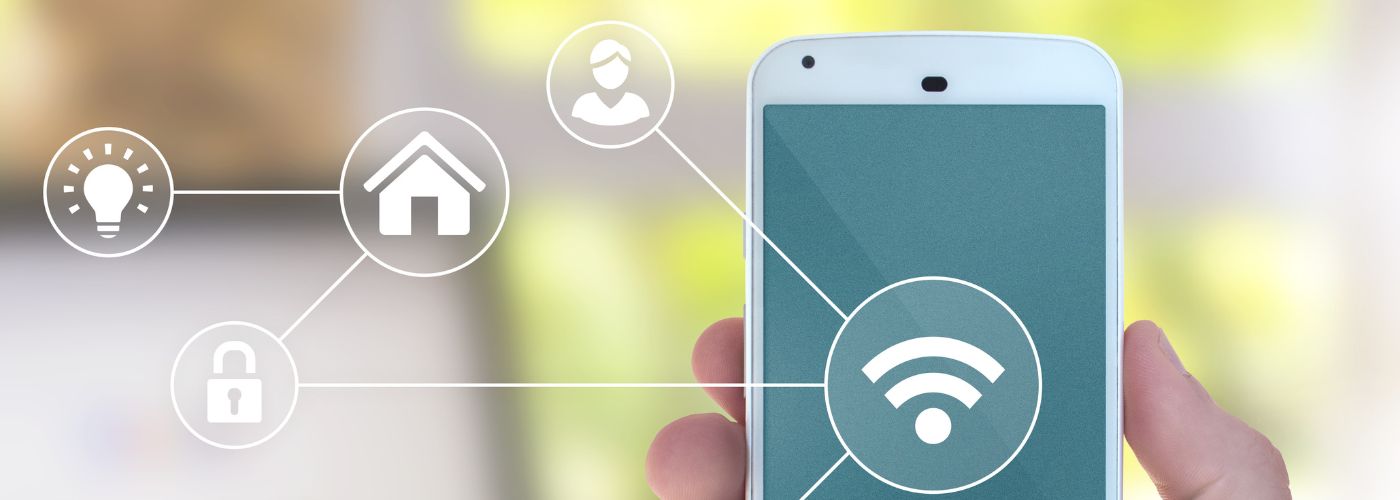
This means fewer dropped signals, faster speeds, and a more reliable experience for everyday tasks like streaming or video calls.
Automated Networks Reduce Signal Congestion
In busy households, multiple devices often try to use the internet at the same time, which can slow everything down. Home automation helps WiFi by managing these connections intelligently, ensuring that devices do not overload the network.
Instead of all devices competing equally, automation systems can stagger activity or assign priority levels based on need.
This kind of smart traffic control prevents bottlenecks that typically cause lag and buffering. For example, a streaming device may receive higher priority than a background update, allowing important tasks to run smoothly.
Over time, this reduces overall congestion and creates a more balanced network where every device gets the bandwidth it needs without overwhelming the system.
Routing Becomes Much Better With Home Automation
Traditional routers often struggle to distribute signals evenly throughout a home, especially in larger spaces. Home automation helps WiFi by improving how signals are routed, often through mesh systems or smart routing technologies that adapt to your home’s layout.
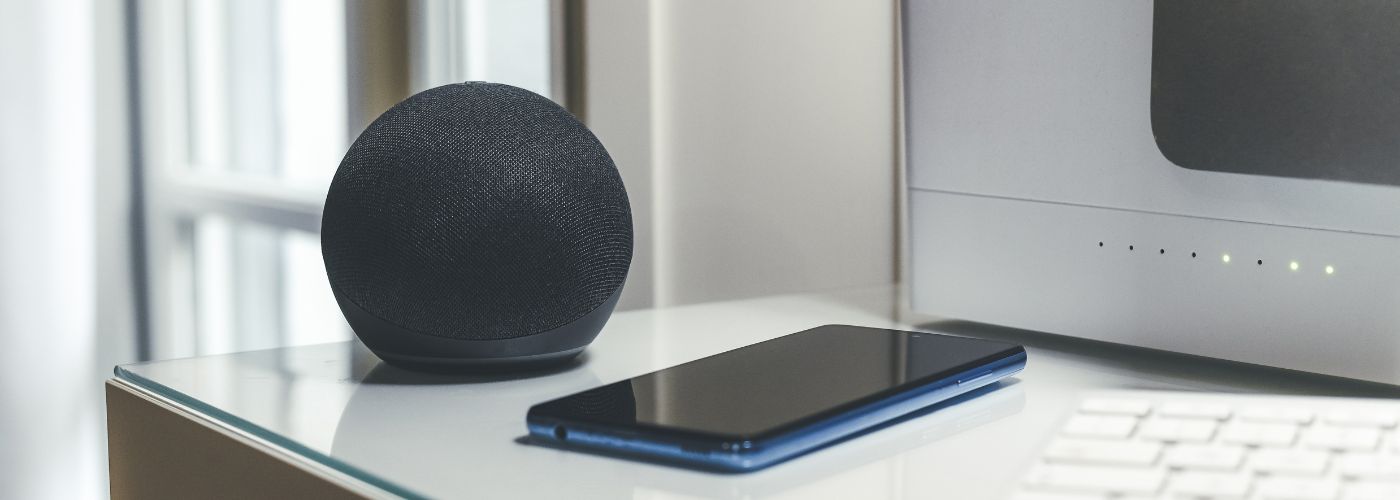
These systems can automatically choose the best path for data to travel, reducing delays and improving coverage.
Smart routing ensures that your connection remains strong even in areas that would normally have weak signals. Instead of relying on a single router, automation systems can direct traffic through multiple nodes, creating a seamless network experience.
This results in fewer dead zones and more consistent speeds, no matter where you are in your home.
Smart System Diagnose Weak Signals
One of the more advanced features of modern automation systems is their ability to monitor network health. Home automation helps WiFi by identifying weak spots in signal coverage and suggesting or making adjustments automatically.
These systems continuously analyze performance, detecting issues before they become noticeable problems.
This proactive approach allows users to fix connectivity issues without needing technical expertise. For instance, the system might recommend repositioning a device or adding a new node to improve coverage.
By constantly learning and adapting, automation systems ensure that your network stays optimized, even as your usage patterns change over time.
Automation Systems Allow For Real-Time Data Usage
Understanding how your network is being used is key to improving performance. Home automation helps WiFi by providing real-time data on bandwidth usage, device activity, and overall network performance.
This transparency allows users to see exactly where their internet resources are going and make informed decisions about usage.
Real-time insights empower homeowners to optimize their network for both speed and efficiency. For example, if a device is consuming too much bandwidth, you can quickly adjust its priority or limit its usage.
This level of control not only improves performance but also helps maintain a stable and reliable connection for all devices connected to the network.