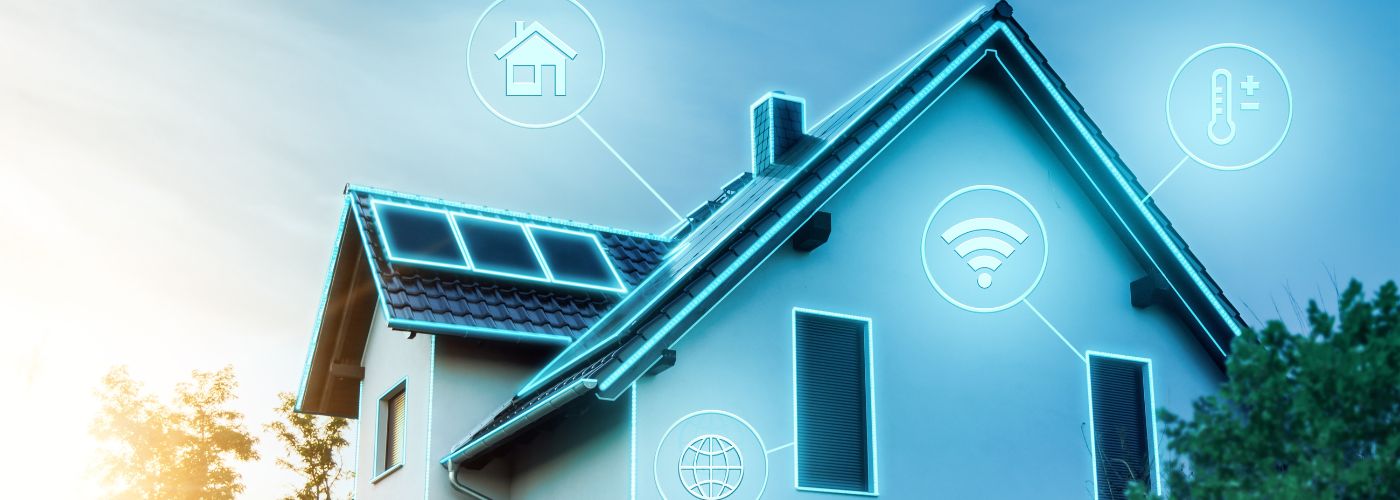
Smart homes are changing the way people use electricity every day. With connected devices and automated systems, homeowners can lower their energy bills without giving up comfort.
This article goes over the issues and explains how modern technology makes homes more efficient and easier to manage.
Ways Smart Homes Boost Energy Efficiency
There are many practical examples of how smart homes boost energy efficiency in daily life. Instead of relying on manual switches and fixed settings, smart systems respond to real-time data, personal habits, and environmental changes. This means that energy is used only when it is truly needed.
Smart technology helps reduce waste by making sure power is not consumed when rooms are empty or when devices are not in use. Over time, these small adjustments can add up to noticeable savings on monthly utility bills.
Another important factor is the ability to monitor energy usage in detail. Smart meters and connected apps give homeowners a clear picture of where electricity is going. This transparency makes it easier to spot patterns of overuse and correct them quickly.
Instead of guessing which appliance uses the most power, homeowners can see the data and make informed decisions. When people understand their energy habits, they are more likely to change them in ways that lower overall consumption.
Schedules HVAC Systems to Match Daily Routines
One major example of how smart homes boost energy efficiency is through intelligent heating and cooling schedules. Traditional thermostats often run at the same temperature all day, even when no one is home.
Smart thermostats, however, allow users to program settings based on their daily routines.
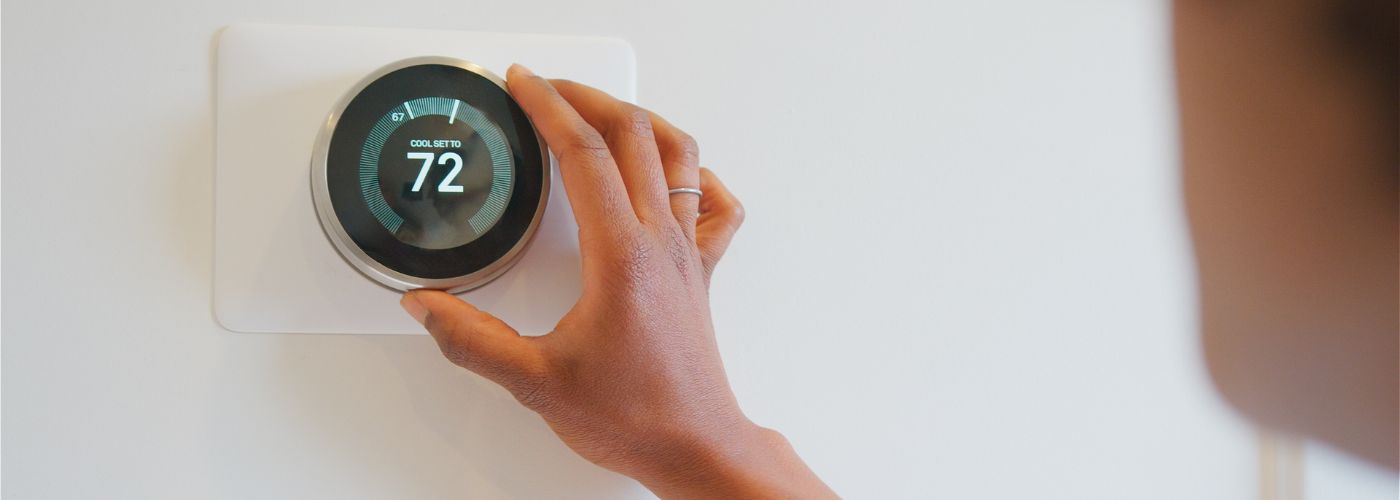
For example, the system can lower heating or cooling while the house is empty and return to a comfortable level before residents arrive. This simple change prevents wasted energy during long hours when heating or cooling is not needed.
These systems can also adjust automatically for weekends, holidays, or unexpected changes in schedule. Instead of constantly adjusting the thermostat by hand, homeowners can rely on automation to handle it.
Over time, this leads to more stable indoor temperatures and less strain on HVAC equipment.
Reduced strain means fewer breakdowns and longer system life. By matching energy use to real human behavior, smart HVAC scheduling keeps homes comfortable without unnecessary power consumption.
Coordinates Devices to Avoid Simultaneous Power Spikes
Another way to understand how smart homes boost energy efficiency is by looking at how connected devices work together. In many homes, large appliances such as dishwashers, washing machines, dryers, and ovens may run at the same time. This creates power spikes that increase strain on the electrical system and may raise energy costs.
Smart home systems can coordinate when devices operate, spreading out heavy energy use across different times of the day. This balanced approach prevents sudden demand surges that can lead to higher utility charges.
Some smart systems even communicate with energy providers to identify off-peak hours when electricity rates are lower. Appliances can then be set to run during these times automatically. Instead of using the most power when demand is highest, the system shifts usage to more affordable periods.
By managing when devices turn on and off, smart homes reduce stress on both the home’s wiring and the larger power grid. This coordination helps create a smoother and more efficient flow of energy.
Optimizes Energy Use Through Adaptive Learning Algorithm
A powerful example of how smart homes boost energy efficiency lies in adaptive learning technology. Modern smart systems use algorithms that study household patterns over time. They learn when people wake up, leave for work, return home, and go to sleep.
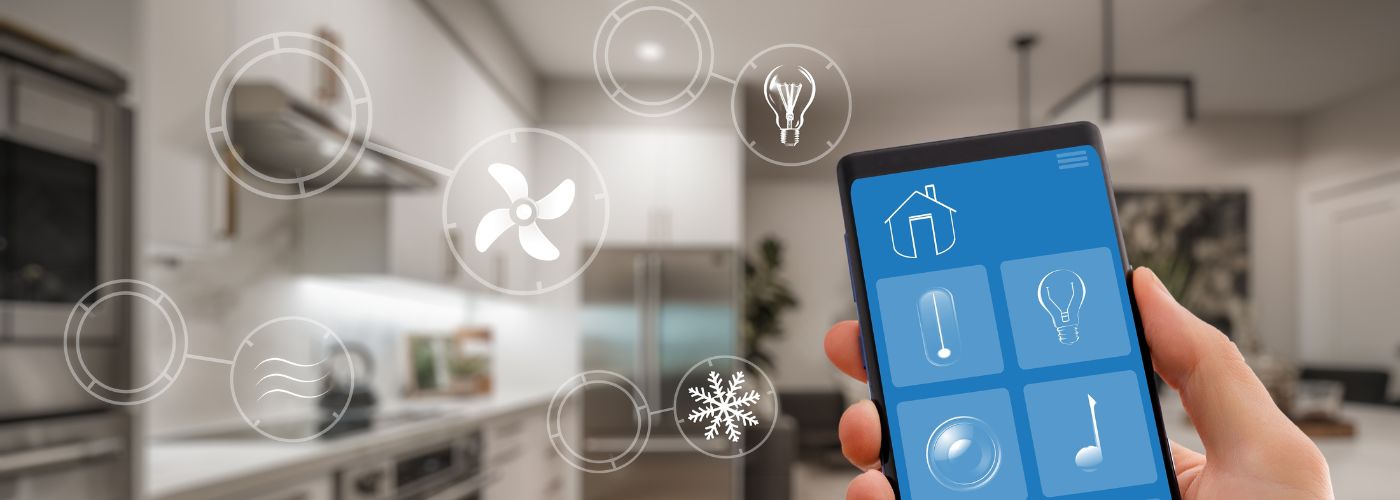
With this information, the system adjusts lighting, heating, and appliance activity automatically. The more the system learns, the better it becomes at predicting needs and preventing unnecessary energy use.
Adaptive learning also responds to seasonal changes. For example, during colder months, it may adjust heating patterns to maintain comfort with minimal waste.
During warmer seasons, it can fine-tune cooling schedules to avoid overuse. These changes happen quietly in the background without constant manual input.
By using data to guide decisions, smart homes turn everyday routines into opportunities for consistent energy savings. This intelligent response system makes efficiency a built-in feature rather than an afterthought.
Optimizes Lighting Levels Through Daylight Detection
Lighting plays a big role in household energy use, and it clearly shows how smart homes boost energy efficiency. Smart lighting systems can detect natural daylight entering a room and adjust indoor lights accordingly. If there is enough sunlight, artificial lights dim or turn off automatically.
This reduces electricity use without affecting visibility or comfort. Using natural light whenever possible lowers dependence on electrical lighting during the day.
In addition, motion sensors ensure that lights are not left on in empty rooms. When someone enters a space, the lights turn on, and when the room is empty, they switch off after a set period. This prevents the common habit of forgetting to turn off lights.
Over weeks and months, these small savings make a meaningful difference. Smart lighting systems combine convenience and conservation, proving that efficiency does not require extra effort from the homeowner.
Adjusts Energy Use Through Mobile Apps
Mobile control is another clear example of how smart homes boost energy efficiency in a practical way. With smartphone apps, homeowners can monitor and adjust their systems from anywhere.
If someone forgets to turn off the air conditioning before leaving for vacation, they can simply open the app and make the change. This remote access prevents energy waste caused by simple human forgetfulness.
Mobile apps also provide real-time notifications and reports. Users can see how much energy they are consuming each day and receive tips for improvement.
Some apps even send alerts when usage suddenly increases, helping homeowners address issues quickly.
Having direct control and clear information encourages smarter decisions that lead to long-term energy savings. With constant access to their home systems, residents stay connected and proactive about reducing unnecessary power use.