
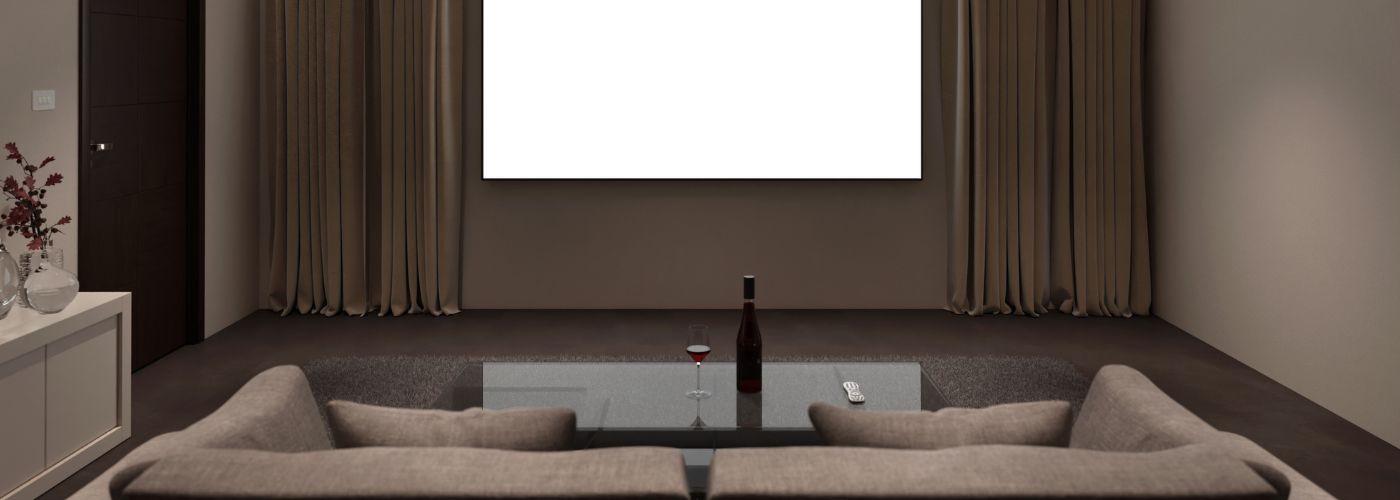
Bass management is the foundation of great home theater sound. It shapes the low end so it feels clean and full. It also helps you avoid muddy rumble and weak impact.
Good bass makes action scenes feel powerful and increases immersion. With the right steps, anyone can improve their system and enjoy deeper, smoother sound.
Tips For Bass Management For Home Theaters
Many people struggle with bass because they guess their home theater settings. Good bass management does not need advanced tools. You can make huge improvements with slow testing and careful listening.
Start with simple placement changes, then fix settings and system issues. These steps improve clarity and boost consistency across your room. Strong bass comes from smart choices, not just expensive upgrades or big subwoofers.
Do not focus only on loudness. Clean bass should support the story and stay controlled. If your bass overwhelms the dialogue, your system needs adjustment. Every room reacts differently, so test often and trust your ears.
These tips work in large rooms, small rooms, and tricky spaces. When you understand the basics, you gain more control and better sound.
Best Subwoofer Placement and Phase
Sub placement has more impact than many people expect. Corners boost output but create heavy resonance. The front wall offers a smoother response but less gain.

Try different spots along the front wall and listen for changes. Move the sub slowly and test with familiar scenes. Even a small shift can tighten bass and remove annoying peaks.
Phase settings help your sub match your speakers. When the phase is wrong, the bass feels thin. Turn the phase knob in small steps while playing steady tones.
Listen for a stronger punch and cleaner impact. When the sub blends well, the bass feels like part of the front stage. Good phase alignment improves timing and creates smoother transitions.
Tips For Room Acoustics and Bass
Your room shapes bass more than your receiver does. Hard walls reflect energy and create boomy spots. Soft furniture helps absorb reflections and smooth the sound. Rugs, curtains, and cushions also improve control.
Corner bass traps add deeper benefits and reduce harsh peaks. Good acoustics improve clarity and often outperform new hardware upgrades.
Try moving large furniture away from key reflection paths. A shifted sofa can improve the entire room. Avoid empty spaces with parallel walls if possible. Break reflections with soft materials and angled surfaces.
Even small changes can reduce boom and increase balance. When your room behaves well, your system can work at its full potential.
Methods For Getting Crossover Frequencies Right
Crossover settings decide which speakers handle certain frequencies. Many systems use poor default values. An 80 Hz crossover works well for most setups. Smaller speakers may need higher settings for better balance.
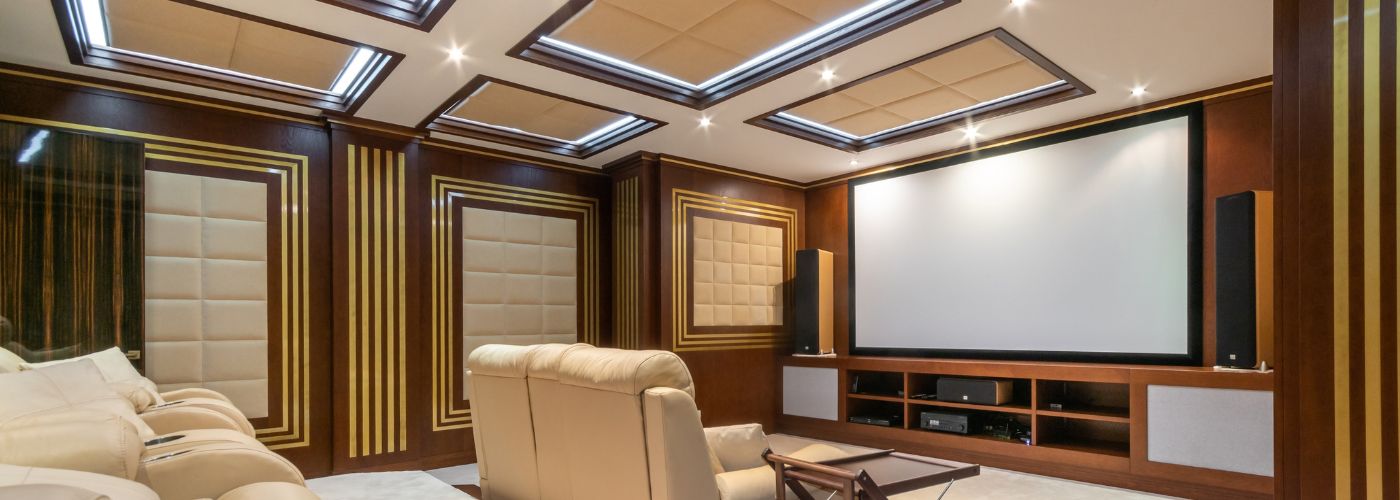
Larger speakers may allow lower points for smoother handoffs. The right crossover prevents distortion and keeps your system working efficiently.
Do not set the crossover too low. This forces small speakers to carry heavy bass. They may distort or weaken during loud scenes. Do not set the crossover too high either. This pushes midrange into the sub and hurts clarity.
Use your receiver’s tones to test different values. The goal is smooth movement from speakers to sub without gaps or bumps.
Inspect Sub Cables and Connections to Prevent Hum
Hum often comes from loose cables or poor shielding. A ground loop can also create noise. Begin by unplugging every cable and reconnecting them firmly. Keep your sub cable away from power cords to avoid interference.
Cables pressed against power strips can cause a low hum. Clean connections keep your system quiet and maintain full sound quality.
If the hum remains, try plugging your sub into another outlet. Use one power strip for all gear to reduce loop issues. Replace cheap or damaged RCA cables with shielded versions.
Long cable runs should use good materials to prevent interference. Check adapters and small connectors for damage. These small fixes often solve noise problems without new equipment.
Recalibrate Your System Quarterly
Rooms change slowly over time. Furniture moves, humidity shifts, and components drift. These changes affect your bass response. Recalibration helps you keep everything balanced and clean.
Use your receiver’s automatic setup feature as a starting point. Then fine-tune by ear with steady tones or familiar scenes. Regular calibration keeps your theater sounding its best throughout the year.
Quarterly checks catch issues before they grow. Recheck levels and distances in your receiver. Confirm your crossover settings remain correct. Listen for dull spots or muddy boom. Tighten all connections to avoid signal loss.
Clean dust from vents to prevent heat issues. These simple steps maintain clarity and keep your system performing smoothly. Good habits give you stronger bass and better reliability.