Have you ever set up a gadget only to find it doesn’t work as expected? Many people dive into home automation without realizing the missteps they could take along the way. This article will highlight key mistakes to avoid with home automation systems, helping you sidestep frustration and wasted money.
Top Mistakes To Avoid With Home Automation
When implementing a home automation system, many people make mistakes that can complicate their experience. One common error is not considering the overall compatibility of devices, which can lead to connectivity issues and frustration.
Additionally, some users forget to prioritize user-friendliness; if the system is too complicated to navigate, family members may struggle to use it effectively. It’s also important to plan for future upgrades by selecting systems that allow for easy expansion or integration with new technologies.
Another frequent oversight is neglecting regular software updates, which are crucial for maintaining security and optimal performance. Finally, failing to provide adequate training for everyone in the household can result in confusion and underutilization of features.
Skipping Network Security & Setup
One of the top mistakes to avoid with home automation is skipping network security and setup. Many homeowners rush into connecting devices without considering how vulnerable their networks might be.

A weak Wi-Fi password or outdated firmware can leave your smart home open to hackers. Investing time in securing your network not only protects your data but also ensures smooth operation of all your devices.
Another common pitfall for security and setup is failing to segment your network. Many users treat their smart home devices as part of the same network as their personal computers and smartphones.
This can be risky, as if a smart device is compromised, it could potentially grant access to more sensitive devices. Setting up a separate network specifically for your smart home devices can help contain any breaches and protect your personal information.
Failing to Customize Settings for Your Lifestyle
Many people think that simply installing smart devices will solve their problems, but without tailored settings, these gadgets can become more of a hassle than a help.
For example, if your lighting system isn’t programmed to adjust based on your daily routines, you might end up fumbling in the dark when you wake up or overstimulating your environment during relaxation time. Take the time to set schedules and preferences that align with your unique habits.
Be sure to customize other aspects of your home automation as well. This includes your thermostat settings, which should reflect your daily schedule and seasonal changes.
By programming your thermostat to lower the temperature while you’re at work and to warm up before you return home, you can save energy and ensure comfort without having to think about it.
Skipping Professional Installation When Necessary
One of the top mistakes to avoid with home automation is skipping professional installation when necessary. While DIY projects can be tempting and cost-effective, certain systems require expertise to ensure they work seamlessly.
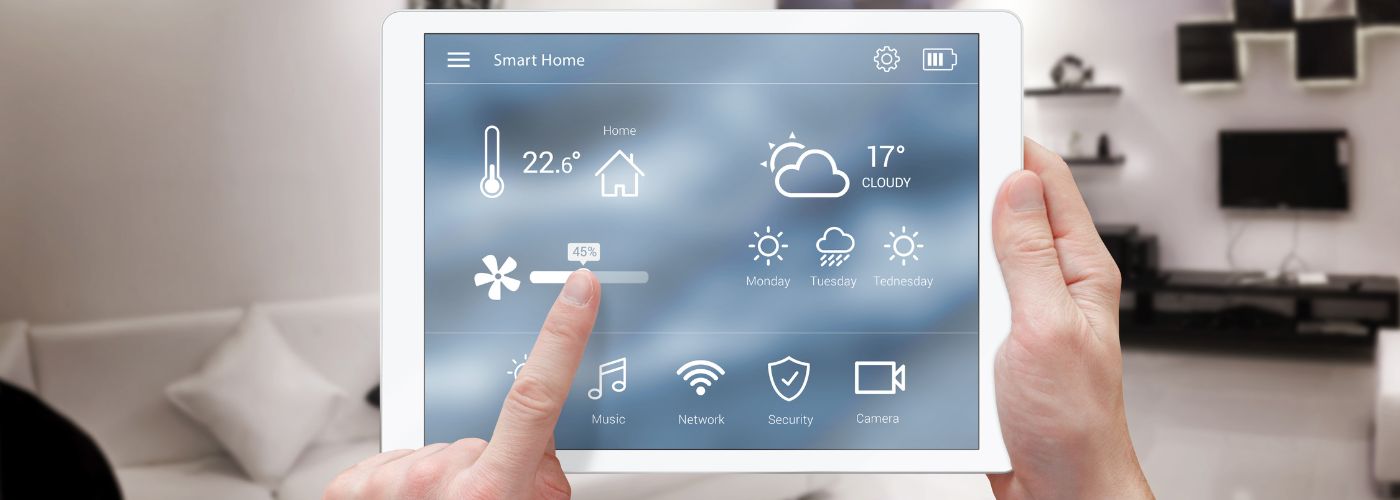
A poorly installed smart home system can lead to frustrating malfunctions and wasted time, not to mention potential security risks. Investing in a professional can save you headaches down the line and ensure everything runs smoothly from the start.
A professional installer can also provide valuable insights into the best products and systems for your specific needs, helping you avoid costly mistakes in purchasing the wrong equipment.
They can assess your home’s layout, electrical systems, and connectivity requirements to design a customized solution that optimizes performance and efficiency.
Not Testing Systems Before Full Implementation
One of the biggest mistakes to avoid with home automation is not testing systems before full implementation. Imagine spending time and money on a smart home setup only to find out that your devices don’t work well together.
Always run a pilot test with a few devices first to ensure compatibility and functionality. This step can save you from a headache later on and help you fine-tune your system to suit your lifestyle.
Be sure to test all functionalities of each device, including their integration with your preferred smart home hub or app. Check for features like voice control, automation routines, and remote access to ensure everything operates as expected.
Overlooking Energy Efficiency in System Design
One common mistake to avoid with home automation is overlooking energy efficiency in system design. Many homeowners get caught up in the excitement of smart gadgets and forget to consider how these devices impact their energy consumption.
Choosing energy-efficient products, like LED smart bulbs or thermostats that learn your habits, can save money and reduce your carbon footprint. When planning your system, think about how these choices fit into your overall energy strategy.
Another way to seek energy efficiency is by integrating your home automation system with renewable energy sources, such as solar panels. This not only maximizes your energy savings but also allows you to make the most of the energy you generate!