
Are your living spaces filled with echoes that distract you from enjoying your favorite activities? Acoustic sound panels for homes can transform your environment into a peaceful oasis. They help absorb sound and reduce noise pollution, creating a more enjoyable experience.
In this article, we’ll discuss the top types of acoustic sound panels and what makes each one special for your home.
Top Acoustic Sound Panels For Homes
Acoustic sound panels can be essential for improving the sound quality in your home, creating a more peaceful and comfortable living environment. When selecting panels, consider materials that effectively absorb sound while enhancing the room’s aesthetic.
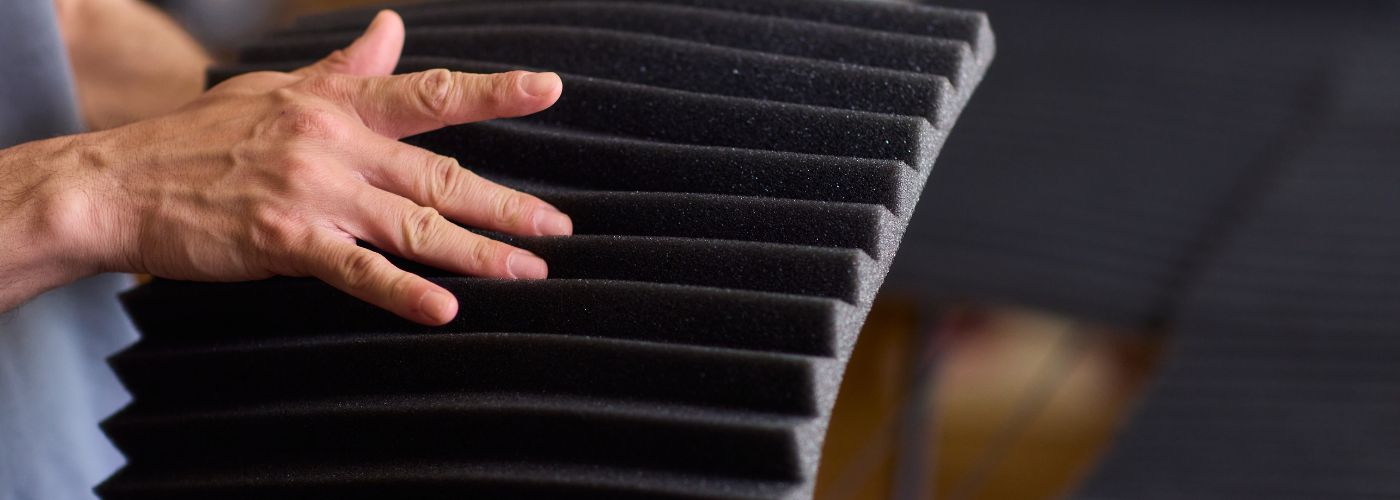
For instance, fabric-covered panels can provide effective sound absorption while adding a design element, allowing you to choose colors and patterns that complement your decor. Alternatively, foam panels are lightweight and easy to install, making them a practical choice for bedrooms or home theaters.
It’s also beneficial to look for panels with varying thicknesses, as thicker panels tend to absorb lower frequencies better, helping to reduce echoes. Additionally, think about the placement of these panels; strategically positioning them near walls, ceilings, and corners can maximize their sound-dampening effects.
Polyester Panels Are Eco-Friendly Choices for Homes
When considering acoustic sound panels for your home, polyester panels stand out for their blend of style and functionality. Made from recycled materials, they not only help absorb sound but also promote sustainability.
Their lightweight nature makes them easy to install, allowing homeowners to enhance their living spaces without professional help.
Polyester panels offer a variety of colors and textures, enabling you to customize your decor while improving acoustics. Their aesthetic versatility means they can seamlessly fit into any room, whether it’s a home theater, recording studio, or quiet study.
In addition to their visual appeal, polyester panels are known for their durability. Unlike traditional foam panels, they resist fraying and deterioration, ensuring that your investment lasts for years. Moreover, they are often treated to be stain-resistant and easy to clean, which is a significant advantage in high-traffic areas.
Fabric-Wrapped Panels For Sound Absorption
When transforming your living space into a serene oasis, fabric-wrapped panels emerge as a top choice for acoustic sound treatment. These panels not only absorb sound effectively but also come in a variety of colors and patterns, allowing you to blend style with function.
Fabric-wrapped panels also add an element of sophistication to any room. Beyond their aesthetic appeal, these panels can enhance the overall acoustics of your space, making conversations clearer and reducing echo.
These panels work by trapping sound waves within their porous structure, effectively minimizing noise pollution and creating a more peaceful environment. They are particularly beneficial in areas with hard surfaces, such as offices, home theaters, or open-concept living spaces, where sound can bounce around and create a distracting clamor.
Additionally, fabric-wrapped panels are versatile in their application. They can be mounted on walls or ceilings, arranged in creative patterns, or even used as room dividers. This flexibility allows you to tailor your acoustic solution to fit the unique layout and function of your space.
Mass Loaded Vinyl Panels For Sound Insulation
Acoustic sound panels come in various styles, each serving unique purposes in enhancing sound quality at home. One popular option is mass loaded vinyl panels. Known for their dense and heavy structure, these panels excel at blocking unwanted noise from outside.
They’re perfect for home studios or media rooms where clarity and focus are essential, allowing you to enjoy music or movies without interruptions.

Mass loaded vinyl panels work by adding mass to walls or ceilings, which helps to reduce sound transmission. The thickness and weight of these panels absorb sound waves and prevent them from passing through, creating a more isolated acoustic environment.
When strategically installed, they can significantly minimize echoes and background noise, providing a more controlled sound space.
Sculpted Acoustic Panels For Art Designs
Sculpted acoustic panels are gaining popularity for their blend of function and style. These panels aren’t just about noise reduction; their artistic designs can transform any room into an aesthetic haven.
With various patterns and depths, they catch the eye while absorbing sound, making them perfect for living rooms or smart home theaters.
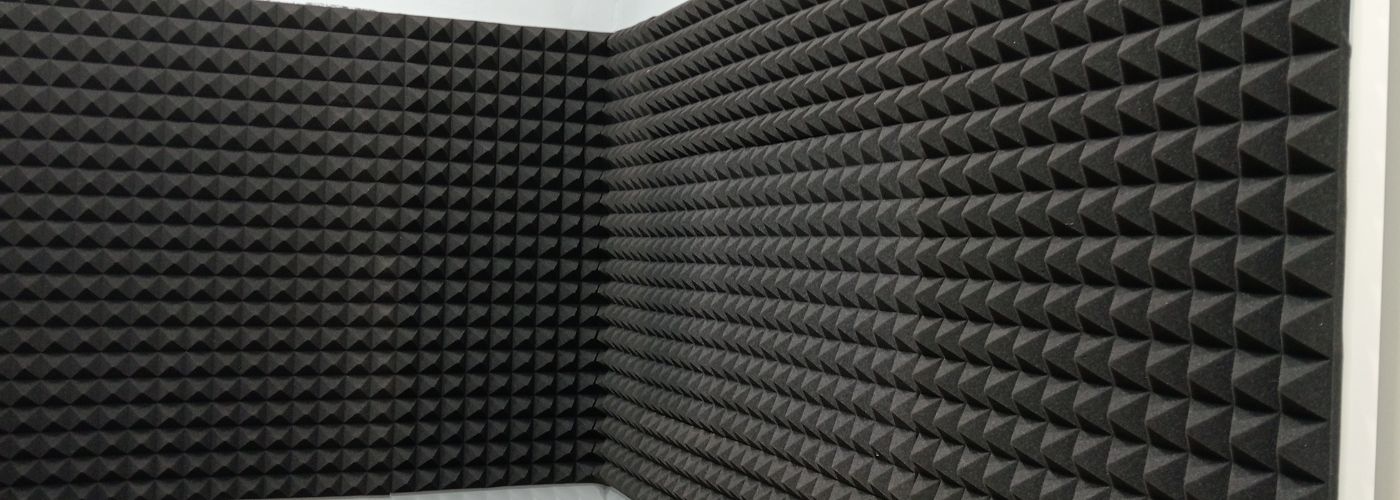
Sculpted acoustic panels work by trapping sound waves and reducing reflections that can lead to echoes and poor acoustics. The unique shapes and textures of these panels enhance their sound-absorbing capabilities, often outperforming traditional flat panels.
Many manufacturers offer customizable options, allowing homeowners to choose colors, finishes, and designs that complement their décor. Whether it’s a bold geometric pattern or a subtle wave, these panels can be tailored to fit the specific needs and style of the space.
Wall-Mounted Acoustic Tiles For Customization
Wall-mounted acoustic tiles are a favorite choice for many homeowners looking to elevate their sound experience. These tiles come in various designs, allowing you to mix functionality with aesthetics.
You can choose vibrant colors or subtle tones, making it easy to match your room’s decor. Plus, their installation is straightforward, often requiring just adhesive or a few screws.
Wall-mounted acoustic tiles work by reducing sound reflections and absorbing excess noise. This not only helps to create a more pleasant acoustic environment but also minimizes distractions, making them ideal for home theaters, music studios, or even busy home offices.
The porous materials used in these tiles allow sound waves to penetrate, transforming them into small amounts of heat, effectively dampening echoes and reverberation.