
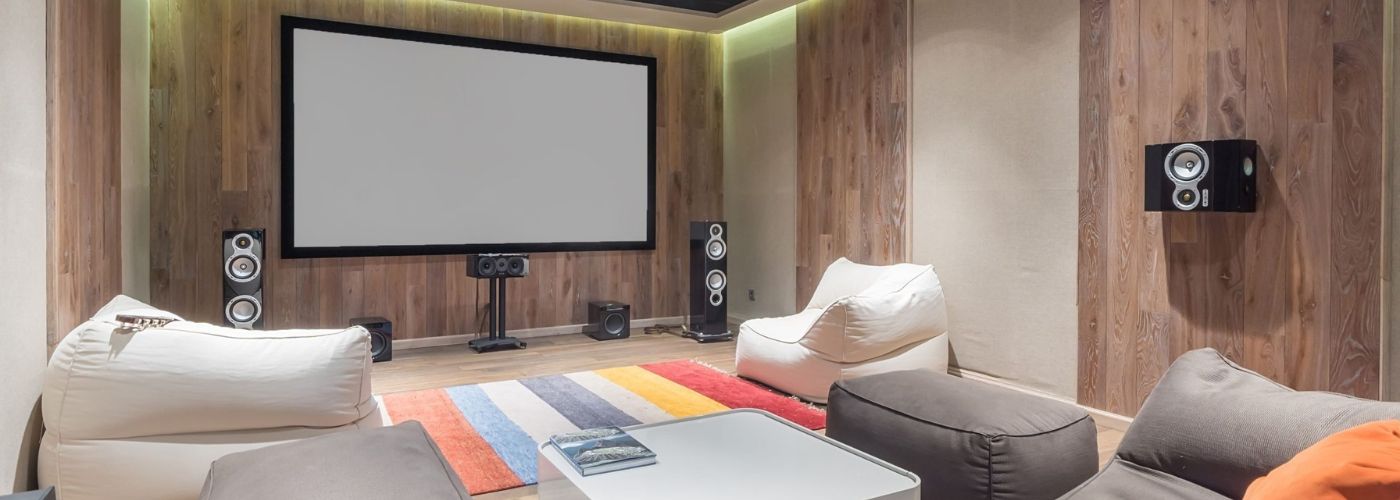
Ever felt that your home theater just doesn’t have that magical vibe? The secret often lies in the lighting. This article will share some top tips for home theater lighting that can make a world of difference.
Whether you’re watching a blockbuster or enjoying a family movie night, the right lighting can set the mood and enhance your experience. Get ready to transform your space!
How To Get Better Home Theater Lighting
Home theater lighting should support the screen, not compete with it. Bright overhead lights destroy contrast and visual depth. A dark room without balance can cause eye strain. The best lighting feels natural and never pulls focus away.
Good lighting design starts with understanding how your room is used. Movies, gaming, and casual viewing need different brightness levels. Lighting zones help adjust the room for each activity. This flexibility makes the space more enjoyable.
Layered lighting is essential for proper control. Ambient lighting provides a gentle glow around the room. Accent lighting adds depth and highlights features. Task lighting helps with movement and small activities.
All light sources should be hidden from direct view. Visible bulbs create glare and distraction. Indirect lighting feels softer and more comfortable. A clean lighting layout makes the room feel intentional and calm.
Match LEDs With Compatible Dimmers
LED lights work differently from traditional bulbs. Many older dimmers are not designed for LEDs. This mismatch causes flickering, buzzing, or sudden brightness changes. Using LED-rated dimmers prevents these problems.
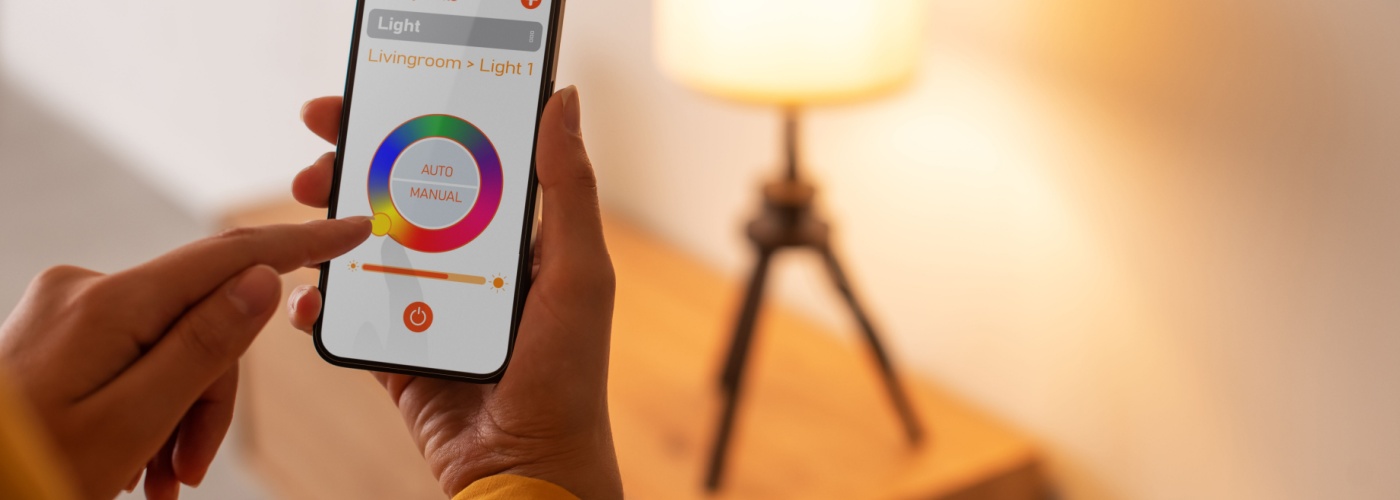
Always check the dimmer specifications before buying. Look for listed compatibility with LED loads. Some dimmers require a minimum wattage to work properly. Low-load dimmers perform better in theater rooms.
After installation, test the full dimming range. Slowly lower the brightness and watch for instability. Many dimmers allow fine-tuning adjustments. These settings help achieve smoother performance.
Smart dimmers add convenience and precision. They allow scene presets for movies or cleaning. The remote control avoids standing up during playback. Consistent dimming keeps the viewing experience uninterrupted.
Diffuse Strips To Avoid Hotspots
LED strip lights are popular in home theaters. When exposed, they create visible dots of light. These hotspots attract attention and cause glare. Diffusers turn harsh points into smooth illumination.
Diffused strips spread light evenly across surfaces. This creates a soft glow behind screens or along walls. Indirect lighting feels more comfortable to the eyes. It also improves the overall atmosphere.
Mount strips inside aluminum channels with covers. Position them so light reflects off walls or ceilings. Avoid pointing strips directly at seating areas. This reduces distraction during dark scenes.
Diffusers also protect LED strips from dust and damage. They keep the installation looking clean over time. A polished look enhances the room’s design. Subtle lighting always feels more expensive and refined.
Keep Reflective Paints Off Walls
Wall finishes play a major role in lighting performance. Glossy paints reflect light across the room. These reflections reduce contrast and screen clarity. Matte finishes help control unwanted light.
Side walls are especially important in theater spaces. Light bouncing from them can distract viewers. Dark neutral colors absorb stray light better. This keeps attention on the screen.
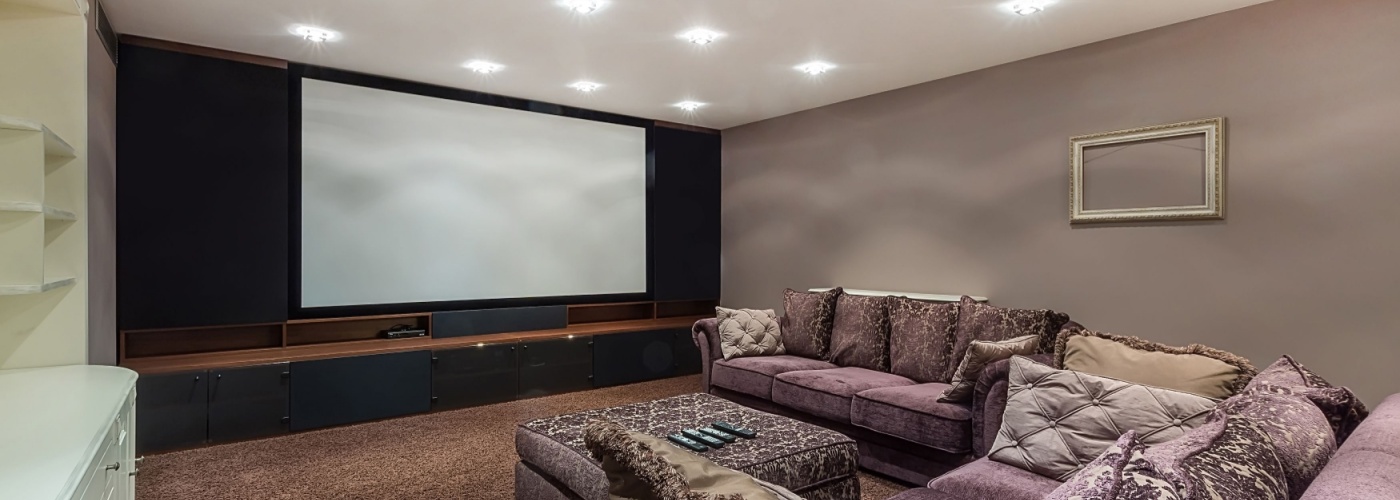
Ceilings also reflect a surprising amount of light. Bright ceilings reduce perceived black levels. Flat ceiling paint minimizes reflection. This improves image depth and realism.
Avoid light colored trim near the screen area. Even small reflective surfaces can cause glare. Every surface contributes to visual performance. Controlled reflections lead to better immersion.
Use Blackout Layers For Windows
Windows introduce uncontrolled light into the room. Daylight changes brightness and color balance. Even small leaks can distract during dark scenes. Blackout layers give you full control.
Use blackout curtains, shades, or layered treatments. Multiple layers offer flexibility throughout the day. Light-filtering shades work for casual use. Blackout layers handle serious movie sessions.
Pay attention to gaps around window edges. Light often leaks from the top and sides. Wraparound rods or side channels help block gaps. This keeps the room evenly dark.
Heavy window treatments also help with sound control. They reduce outside noise and echo. Darkness and quiet work together. A sealed room feels more immersive and private.
Add Soft Step Lighting
Movement still happens during movies. People walk to their seats or leave the room. In darkness, this creates safety risks. Step lighting prevents accidents without ruining the mood.
Step lights should stay low and subtle. Avoid bright fixtures at eye level. Recessed lights or toe kick lights work well. Warm tones feel calmer and less distracting.
Place step lights along aisles and platform edges. Highlight changes in floor height clearly. Use dimmers to keep brightness minimal. This keeps the focus on your home theater setup.
Step lighting can also enhance room design. It adds depth and structure to seating tiers. When done well, it feels intentional. Good safety lighting blends beauty with function.