
When was the last time you thought about your home’s security? Knowing what is a good home surveillance camera system is vital for keeping your family and belongings safe. In this article, we’ll explore different types of surveillance systems and their key features. You’ll learn how to pick the right system that fits your needs and budget.
Popular Types of Home Surveillance Camera Systems
Today’s home surveillance camera systems come in many designs, each serving a unique security purpose. Some are simple plug-and-play devices, while others use professional-grade setups with advanced monitoring features. The goal is to find a system that fits your home’s layout, coverage needs, and lifestyle.
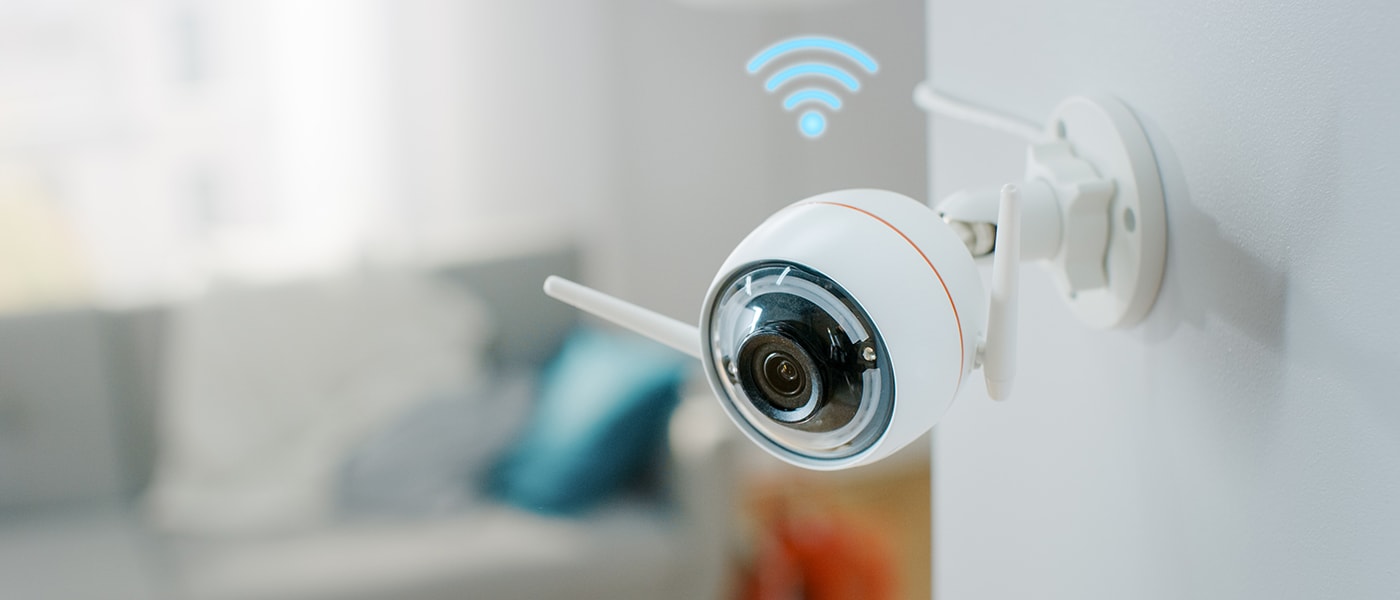
Modern cameras now combine high-definition video, remote access, and smart detection, making them both powerful and easy to use. Homeowners can mix different camera types to cover every angle — from driveways and hallways to entry points and outdoor spaces.
Choosing the right combination ensures full protection and real-time awareness of your home’s surroundings.
Doorbell Cameras for Entry Surveillance
Doorbell cameras are one of the most common home security devices today. They allow you to see and speak to visitors directly from your phone, no matter where you are. Most models offer motion detection and two-way audio for added safety.
These cameras provide a clear view of anyone approaching your front door, day or night. Many include infrared night vision, HD video, and smartphone notifications when movement is detected. You can record footage to the cloud or a local storage device for review later.
Modern doorbell cameras also integrate with smart home systems like Alexa or Google Home. This allows you to monitor your entryway using voice commands or automatic alerts. If a package is delivered, you’ll know right away. And if a stranger lingers too long, the camera will instantly alert you.
For most homeowners, a doorbell camera is an affordable and reliable first step in home surveillance. It gives you full control over who’s at your door without needing to open it. Doorbell cameras are perfect for preventing theft, monitoring deliveries, and ensuring peace of mind.
Bullet Cameras for Wide Coverage
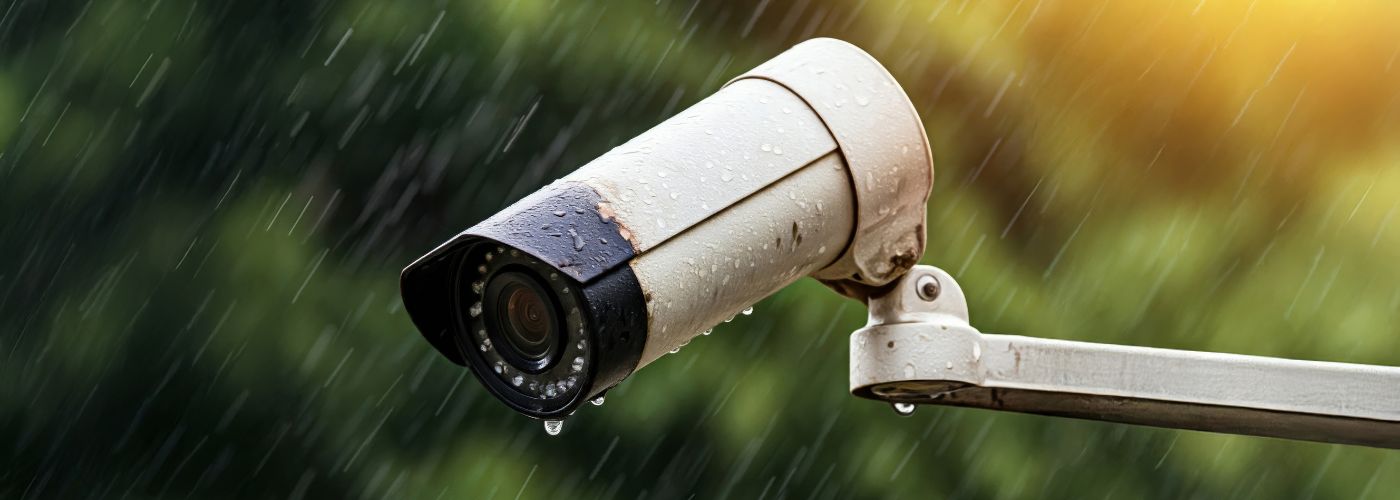
Bullet cameras are named for their long, cylindrical shape that looks like a bullet casing. These cameras are designed to capture wide areas like driveways, yards, or parking spaces. They are highly visible, which can help deter intruders from approaching your home.
Bullet cameras are built to withstand outdoor elements like rain, dust, and extreme temperatures. Most models feature weatherproof housings, powerful lenses, and infrared capabilities for nighttime monitoring. Their design makes them ideal for both residential and commercial use.
Many bullet cameras can rotate or zoom for more detailed views of distant objects. They also come in wired or wireless versions, depending on your setup preferences. For large properties, bullet cameras can provide extensive coverage with fewer blind spots.
Because of their visible presence, they also serve as an excellent deterrent against suspicious behavior. When people see a bullet camera, they know the property is being actively monitored. This alone can prevent potential crimes before they happen.
Wired Cameras for Stable Connectivity
Wired surveillance cameras are a traditional and trusted choice for many homeowners. These systems connect directly to your home’s network through cables, offering a consistent and secure video feed. Unlike wireless systems, they don’t depend on Wi-Fi, making them less vulnerable to signal interference.
Wired cameras are ideal for long-term installations where stability and reliability are top priorities. They can support multiple cameras connected to a central recording device, such as a DVR or NVR system. This makes them a great option for full-property coverage and continuous recording.
While installation can be more complex, the payoff is a secure, lag-free video connection. Wired systems are also less likely to experience signal drops during bad weather or power fluctuations. Many homeowners prefer them for large houses or buildings where wireless connections may be inconsistent.
Once installed, wired cameras require little maintenance and can record 24/7 without data limits. For dependable security monitoring, wired systems remain one of the best options available.
Dome Cameras for Discreet Monitoring
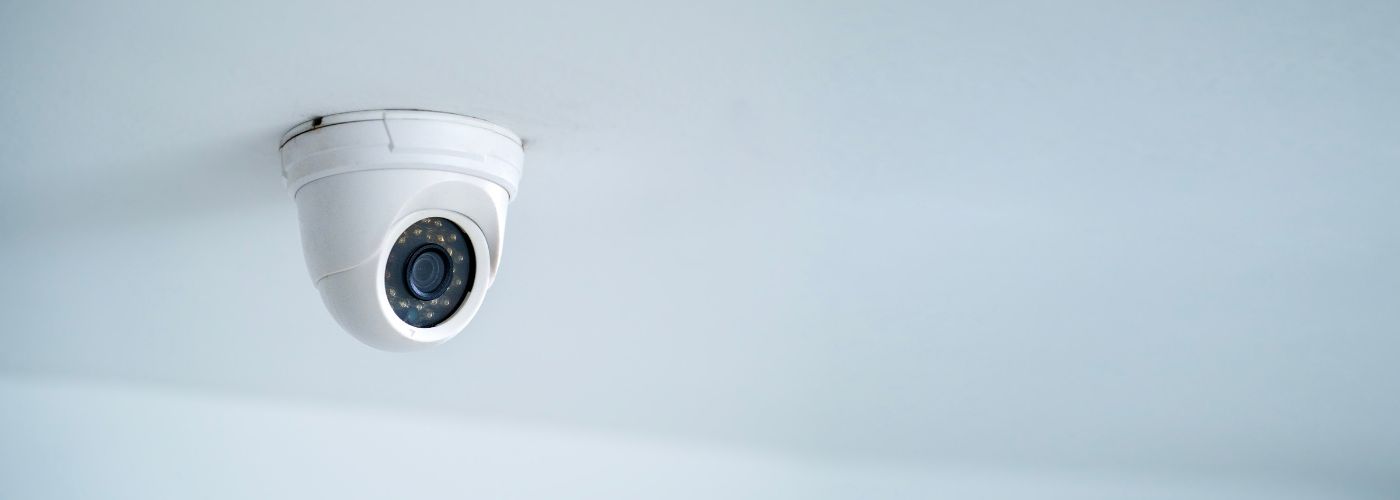
Dome cameras are named for their dome-shaped housings that hide the lens direction. This makes them harder to spot and tamper with, providing discreet yet effective surveillance. They’re perfect for indoor use, especially in hallways, living rooms, or entryways.
Dome cameras offer a sleek design that blends easily with most home interiors. Despite their small size, they deliver high-resolution video and wide viewing angles. Some models even include pan-tilt-zoom (PTZ) capabilities, letting you adjust the view remotely.
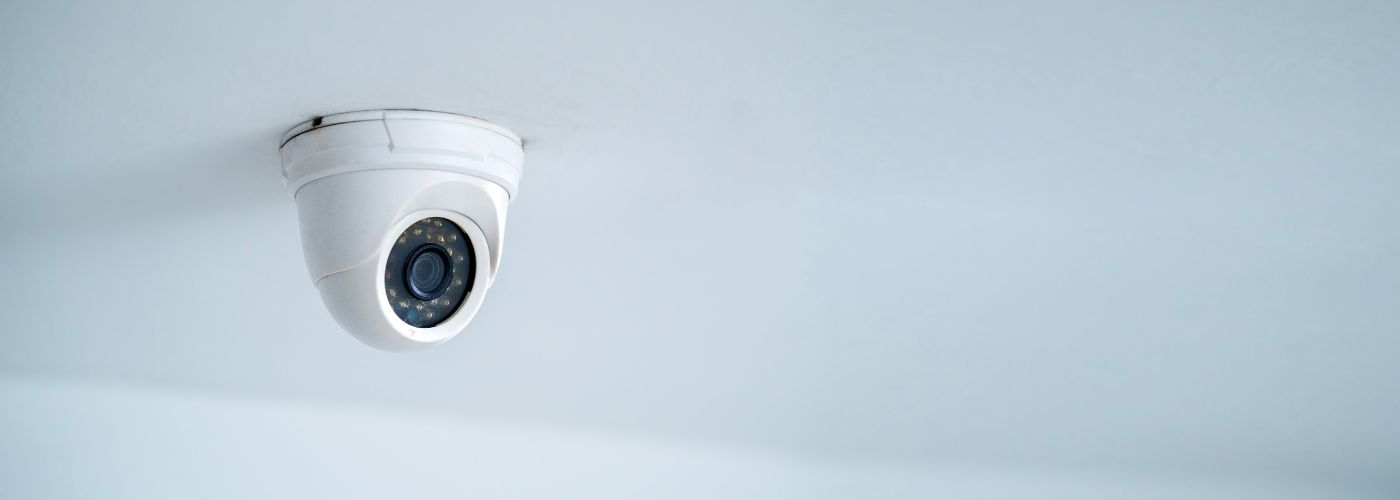
These cameras can be installed on ceilings or walls for maximum coverage. They’re also popular for outdoor use when vandal-resistant housings are included. Their dome design helps protect against dust, debris, and damage from tampering.
Because of their wide-angle lenses, dome cameras can monitor large indoor areas without needing multiple units. They provide excellent security coverage while maintaining a low visual profile in your home.
Smart Cameras with AI Features
Smart cameras are the most advanced option for modern homeowners. They use artificial intelligence to recognize faces, detect movement, and even differentiate between people, pets, and vehicles. This helps reduce false alerts and improves your overall security experience.
AI-powered cameras can learn your routine and alert you only when something unusual happens. Many offer voice control, smartphone integration, and cloud storage options. They connect to your home’s Wi-Fi and allow live streaming from anywhere in the world.
Some models even include built-in sirens, floodlights, and motion tracking for enhanced protection. You can set custom zones to monitor specific areas, like your driveway or backyard. When suspicious activity occurs, the system can send instant notifications or trigger alarms.
Smart cameras also support two-way communication, allowing you to talk to visitors directly from your phone. Integration with home automation systems lets you create complete security setups that work with other smart devices. Smart cameras are changing the way homeowners protect and interact with their spaces.
When choosing a home surveillance system, consider your property size, internet connection, and desired features. Doorbell cameras are great for front-door security, while bullet and dome cameras provide broader coverage. Wired systems offer reliability, and smart cameras bring cutting-edge features that make home monitoring easier than ever.
A good home surveillance camera system is not just about recording video—it’s about protecting what matters most. Whether you’re at home or away, today’s camera technology helps ensure your safety, comfort, and peace of mind.