
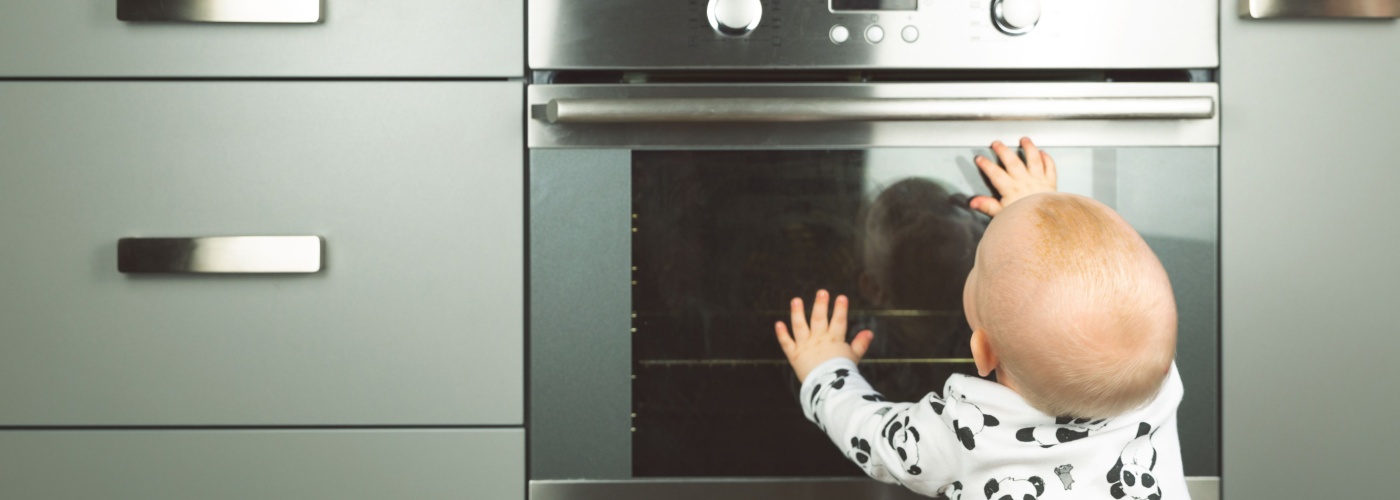
Every parent knows the heart-stopping moment when their child suddenly goes silent. That’s when the importance of home childproof security comes into play.
This article will guide you through simple yet effective strategies to safeguard your home. With these tips, you can create a haven that not only protects but also allows your little ones to explore safely.
Tips For Home Childproof Security
Childproof security works best when you treat your home like a layered system. You start with simple physical barriers that slow a child down, then add smart tools that alert you when something changes, and finally support everything with daily habits.
This layered approach matters because one safety step can fail on a busy day, but multiple layers give you more chances to stop a problem before it turns serious.
It also helps to think about childproof security from your child’s point of view. Get down to their height and look around your home. Notice what they can reach, pull, or climb.
Strong habits, clear boundaries, and the right safety devices work together to protect children while still keeping the home comfortable for adults.
When safety tools are easy to use, families are more likely to keep them in place long term.
Use Doorknob Covers & Latches
Doorknob covers and door latches are simple tools, but they are extremely effective for child safety. Children often learn by watching adults, and turning a doorknob is one of the first skills they try to copy.
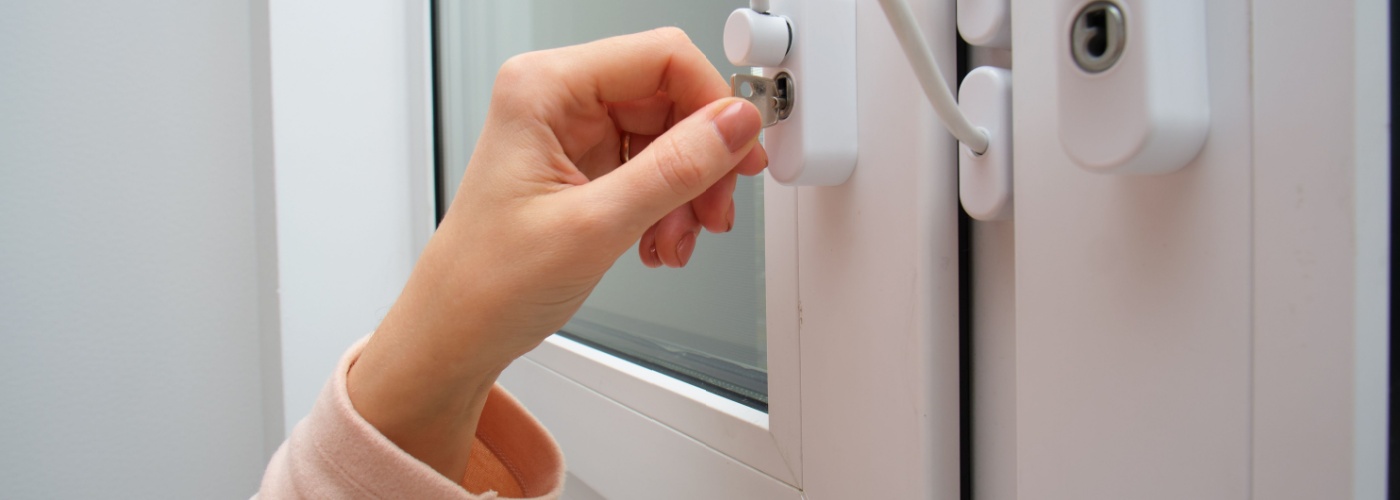
Covers make knobs harder to grip, while latches placed higher on the door create an extra barrier that small children cannot reach.
These tools are especially important on exterior doors, garage doors, and any door leading to stairs or storage areas. Strong door barriers reduce the risk of sudden runaways and prevent children from wandering into unsafe spaces when adults are briefly distracted.
You do not need to block every door in the home, but focusing on exits and hazard zones makes a big difference.
When choosing covers and latches, look for sturdy designs that adults can open quickly with one hand. This matters when carrying a baby or responding to an urgent situation. Always test each latch after installation to make sure it stays secure during daily use.
Use Smart Door Locks For Safety
Smart door locks add an extra level of control and awareness to childproof security. Many smart locks automatically lock after a short time, which helps prevent doors from being left unlocked by mistake.
Some systems also track when doors are opened and closed, helping parents understand patterns or identify how a child accessed a door.
Smart locks also remove the need for spare keys, which children can sometimes find. Entry codes and phone access allow you to control who can unlock doors and when.
Managing access carefully helps prevent accidental exits and reduces the risk of children unlocking doors without supervision. You can even change codes easily if a routine changes.
To make smart locks child-safe, keep settings simple. Enable auto-lock features, limit app access, and turn on alerts when possible. Always store backup keys safely out of reach and test the lock regularly to ensure it works during power or internet issues.
Automated Window Locks For Max Safety
Windows are often overlooked in childproof security, but they can be a serious risk. Children may open windows out of curiosity or to explore what is happening outside.
Automated window locks help limit how far a window can open or prevent it from opening without adult approval.
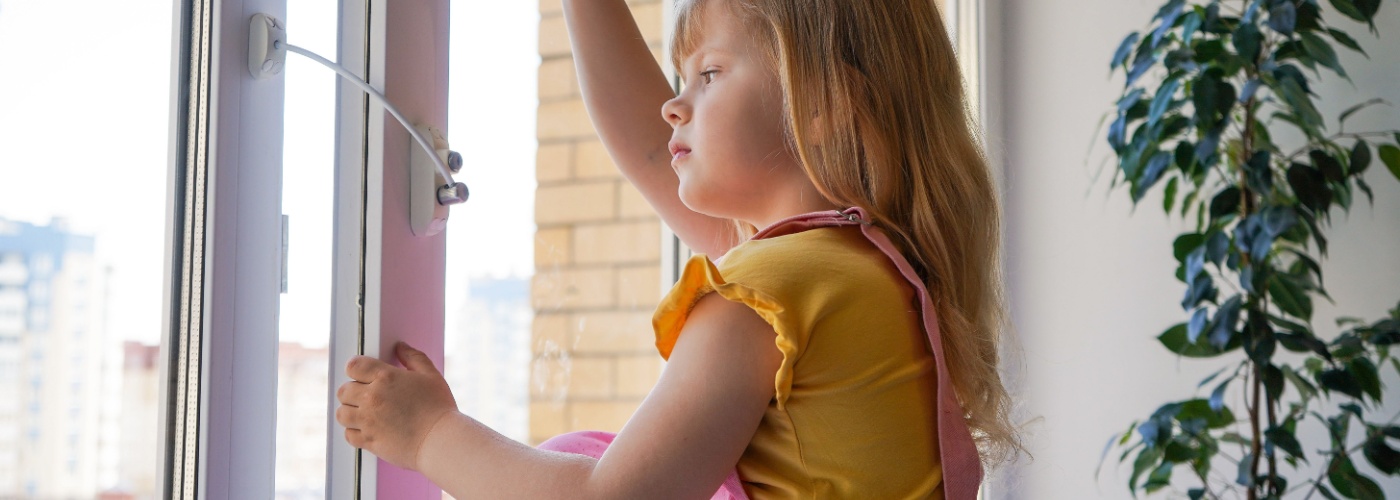
These locks are especially important in bedrooms, playrooms, and upper floors. Strong window security helps prevent falls, unsupervised exits, and dangerous climbing situations. Even ground-level windows can pose risks if a child slips outside unnoticed.
In addition to locks, keep furniture away from windows to prevent climbing. Use cordless blinds or secure cords high and out of reach. If airflow is needed, window stops can allow ventilation while still maintaining safety.
Motion Sensors For Real-Time Alerts
Motion sensors provide real-time awareness of movement in key areas of the home. They are especially helpful near doors, staircases, and hallways where children should not be alone. Instead of discovering an issue after it happens, parents receive an alert as soon as movement occurs.
Placement is important to avoid unnecessary alerts. Focus on boundary areas rather than high-traffic rooms.
Well-placed motion alerts give parents valuable seconds to respond before a child reaches a dangerous situation. Many systems allow sensitivity adjustments to reduce false alarms.
Motion sensors can also support nighttime safety. If a child wakes and wanders, alerts can notify parents quietly through a phone or a gentle sound. This is helpful for toddlers transitioning from cribs or children who tend to roam during the night.
Install An Alarm System For Accidental Runaways
An alarm system can be a powerful tool for preventing accidental runaways. Door and window sensors can trigger alerts when exits are opened, even during busy moments like cooking or entertaining guests. These alerts provide immediate awareness and faster response.
Modern alarm systems allow custom settings for different doors. Some exits can trigger instant alerts, while others allow short delays.
Clear and immediate alerts help caregivers react quickly and reduce panic by showing exactly which door or window was opened. Naming each sensor makes alerts even more useful.
It is also important to build routines around your alarm system. Teach babysitters how it works and review alerts with older children so they understand safety rules.
As children grow, review and update your security setup. Childproof security is an ongoing process that should evolve with your child’s abilities and your family’s daily life.