
Every small business depends on reliable security to protect employees, customers, equipment, and sensitive information.
Understanding the most common security vulnerabilities can help business owners recognize risks before they become costly problems, and this article goes over the most common issues along with ways to reduce them.
Top Security Vulnerabilities For Small Businesses
Many business owners assume that security problems only affect large corporations, but that is rarely the case.
In reality, small businesses are often targeted because they may have fewer resources dedicated to security planning, making them easier targets for criminals.
From physical break-ins to cyber threats, even a single weakness can create opportunities for theft, property damage, or data loss. When several smaller issues exist at the same time, they can quickly become much larger problems.
Taking a proactive approach instead of waiting for something to happen is one of the best ways to reduce unnecessary risk.
Reviewing camera coverage, updating equipment, improving employee awareness, and maintaining secure networks all contribute to a stronger overall security strategy.
Addressing these concerns before an incident occurs often costs far less than dealing with the financial and operational impact of a successful attack.
Unsecured Wi-Fi Networks That Expose Company Data
One of the most overlooked security vulnerabilities for small businesses involves unsecured wireless networks.
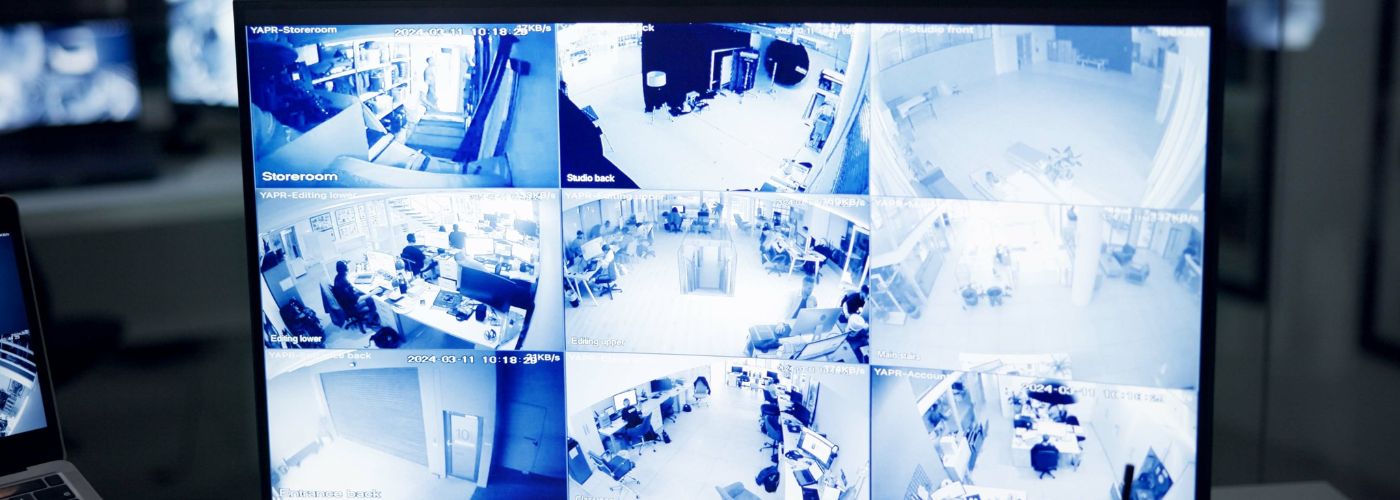
If a business uses weak passwords, outdated encryption, or open guest networks without proper separation, unauthorized users may gain access to sensitive company information.
Once connected, attackers could monitor internet traffic, steal login credentials, or attempt to access computers, printers, and other connected devices.
Even businesses with excellent physical security can experience serious problems if their network is left exposed.
Creating separate guest and employee networks, using strong passwords, enabling modern encryption standards, and regularly updating networking equipment all help reduce unnecessary exposure.
Routine reviews of connected devices can also identify unknown hardware before it creates a larger security concern.
Employee Susceptibility to Phishing Scams
Employees remain one of the most common entry points for cybercriminals. Phishing emails often appear to come from trusted companies, coworkers, or financial institutions, encouraging employees to click on malicious links or provide confidential information.
Even experienced workers can occasionally mistake a convincing email for a legitimate request, especially during busy workdays.
Regular training helps employees recognize suspicious messages before they become major incidents.
Building a workplace culture where staff members verify unusual requests instead of reacting immediately can dramatically reduce successful attacks.
Simple habits such as checking sender addresses, avoiding unexpected attachments, and confirming payment requests through another communication method provide an additional layer of protection.
Cameras with Blind Spots That Leave Areas Unprotected
Camera systems provide valuable evidence and help deter criminal activity, but poor placement can leave important areas without coverage.
Entrances, loading docks, parking lots, storage rooms, and cash handling locations should all be clearly visible.
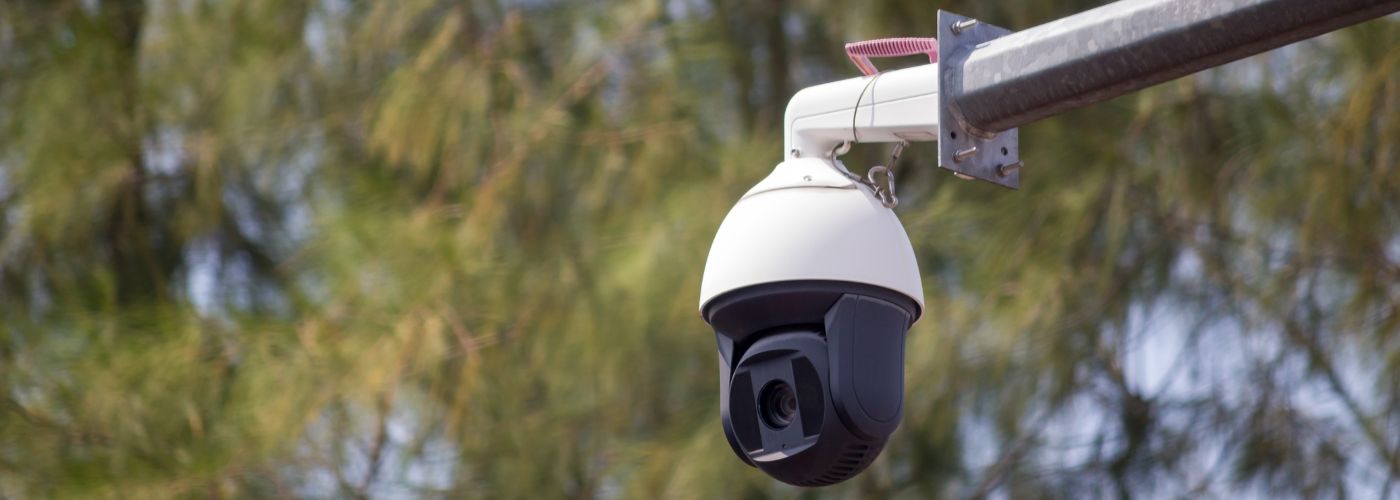
If blind spots exist, individuals may find opportunities to enter unnoticed, remove inventory, or damage property without being recorded.
Proper camera placement is often just as important as the quality of the cameras themselves.
A professional security assessment can identify hidden areas that require additional coverage while minimizing overlap between cameras.
Reviewing recorded footage occasionally also helps confirm that existing camera angles continue to provide complete visibility as the business changes over time.
Aging Camera Hardware That Fails During Important Events
Many businesses continue using surveillance equipment long after it has reached the end of its reliable lifespan.
Older cameras may experience hardware failures, recording interruptions, storage issues, or compatibility problems with newer software.
Unfortunately, these weaknesses often become apparent only after an incident occurs and important footage cannot be recovered.
Routine inspections and scheduled equipment upgrades help keep surveillance systems operating as expected. Reliable recording equipment provides confidence that footage will be available when it is needed most.
Replacing outdated cameras, updating firmware, testing storage devices, and verifying backup systems all contribute to a more dependable security solution that supports daily business operations.
Poor Image Quality That Makes Identification Difficult
Surveillance footage only provides value if the recorded images are clear enough to identify people, vehicles, or important events.
Low-resolution cameras, poor lighting, incorrect camera positioning, and dirty lenses can all reduce image quality.
During an investigation, blurry footage may not provide enough detail for law enforcement or insurance companies to use effectively.
High-quality video combined with proper lighting creates much more useful evidence during security investigations.
Modern high-definition cameras, regular lens cleaning, routine maintenance, and strategic lighting improvements help produce clearer recordings throughout the day and night.
Investing in better image quality not only improves incident investigations but also increases confidence in the overall effectiveness of the business security system.