
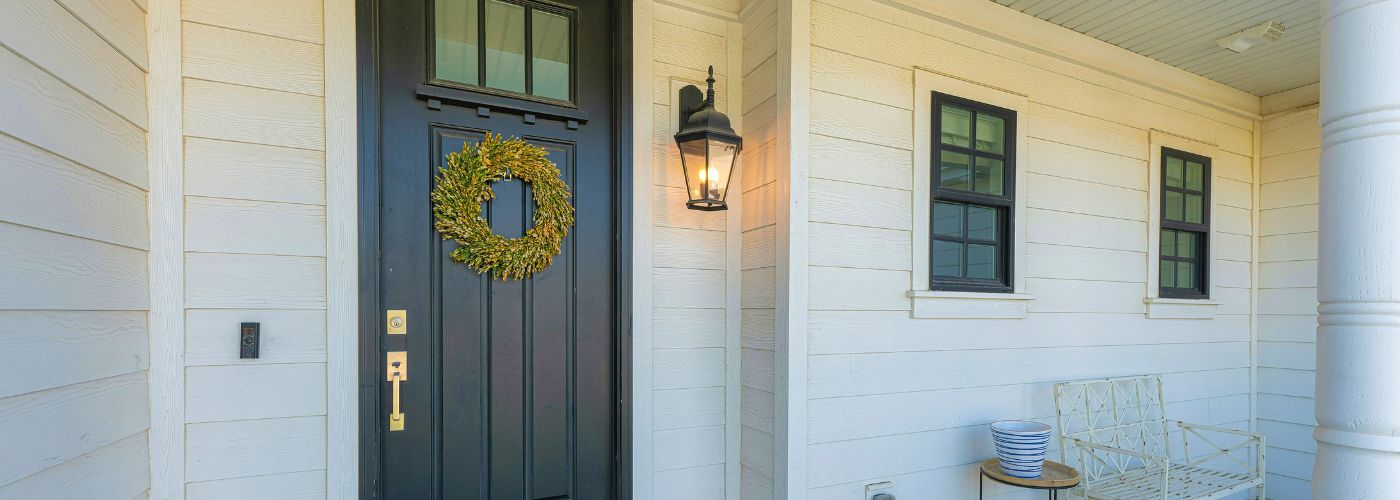
Keeping a home protected means paying attention to more than the front door. Windows, side doors, garages, and other accessible areas can all create opportunities for unwanted entry if they are not properly protected.
This article goes over practical ways homeowners can improve security around the most important access points.
Ways To Secure Every Entry Point In Your Home
Home security works best when the property is protected as a complete system rather than focusing on a single door or window. The front entrance may receive the most attention, but side doors, back doors, garage entrances, and accessible windows can be just as important.
Homeowners who want to secure every entry point should start by walking around the property and identifying areas that could be reached easily from the street, yard, alley, or neighboring property.
Each access point may require a different type of protection. A door may benefit from stronger hardware, while a window may need an upgraded lock or another physical barrier. Cameras, lighting, and smart technology can also make it easier to watch these areas throughout the day.
A well-protected home uses several security measures together so that one weak area does not reduce the effectiveness of everything else. Looking at the entire property makes it easier to decide which improvements should be completed first.
Install Smart Lock Cameras
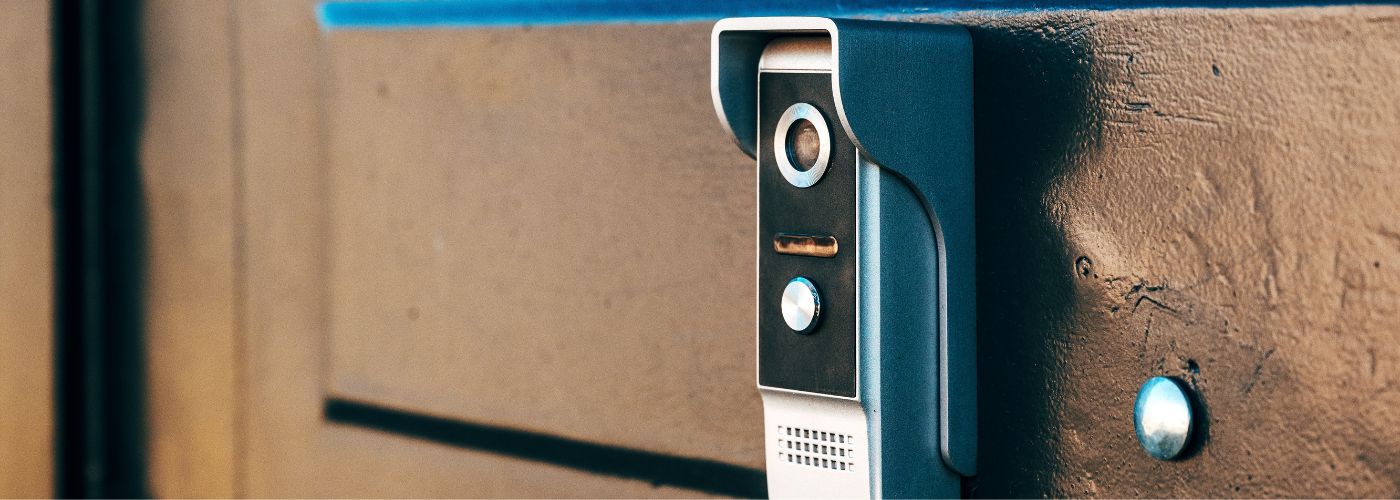
Smart locks can add convenient security features to exterior doors while reducing the need to rely entirely on traditional keys.
Many models allow homeowners to lock or unlock a door through a phone, create temporary access codes, or check whether a door was left unlocked.
These features can be helpful for households with several family members, regular visitors, cleaners, contractors, or other people who occasionally need access.
Combining smart locks with connected cameras can make it easier to secure every entry point while keeping track of who is approaching or entering the property.
A camera near an exterior door can provide visual information, while the smart lock controls physical access. Some systems can also send notifications when a door is unlocked or when movement is detected nearby.
Being able to check an entrance remotely can give homeowners more control when they are away from the property.
Smart devices still need proper maintenance to remain useful. Batteries should be replaced before they run out, software updates should be installed when available, and account passwords should be difficult to guess.
Homeowners should also understand how the lock operates during a power, battery, or internet interruption so they are not surprised during an emergency.
Use Security Cameras Around The Home
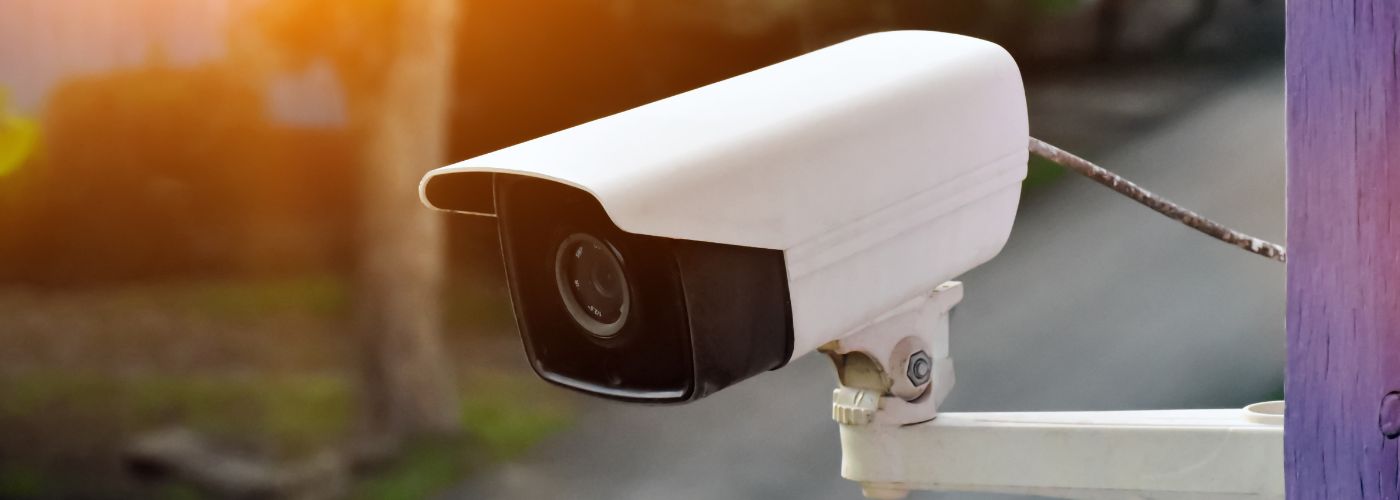
Security cameras give homeowners a way to see what is happening near important areas without having to be physically present. Cameras can be positioned near front doors, driveways, garages, side gates, patios, and other locations where someone could approach the home.
When trying to secure every entry point, camera placement should provide a useful view of the approach to the entrance instead of focusing only on the door or window itself.
Modern cameras may include motion detection, night vision, mobile notifications, and recorded video. These features can help homeowners notice activity that might otherwise go unseen, especially at night or while no one is home.
Cameras should be installed high enough to reduce the chance of tampering while still providing a clear image of people approaching the property.
Security cameras are most useful when they cover important areas clearly and allow homeowners to review activity when something unusual happens.
Regularly checking camera angles, cleaning lenses, and confirming that recording features are working can help keep the system dependable. Homeowners should also make sure outdoor cameras are designed to handle local weather conditions.
Improve Visibility With Outdoor Security Lighting
Dark areas around a home can make it difficult to notice movement near doors, windows, gates, and walkways. Outdoor security lighting improves visibility and can make these locations easier to monitor after sunset.
Homeowners looking to secure every entry point can place lighting near commonly used entrances as well as less visible areas along the sides or rear of the property.
Good outdoor lighting should make important areas easier to see without creating harsh glare or large shadows that hide activity.
Motion-activated fixtures can be useful near driveways, garages, side yards, and backyard entrances because they turn on when movement is detected.
Constant low-level lighting may work better near porches, pathways, and frequently used doors where steady visibility is helpful.
Placement matters as much as brightness. Fixtures should illuminate the area around an entrance and the path leading toward it.
Bushes, walls, rooflines, and other objects can block poorly positioned lights, so homeowners should check the property after dark to find remaining blind spots.
Replacing burned-out bulbs and keeping fixtures clean will also help maintain consistent visibility.
Reinforce Exterior Doors With Stronger Hardware
A strong exterior door depends on more than the material used to make the door itself. Hinges, strike plates, screws, locks, and the surrounding frame all contribute to how well the entrance can resist force.
To secure every entry point effectively, homeowners should inspect exterior doors for loose hardware, damaged frames, weak locks, or other signs that the entrance may need attention.
Upgrading the strike plate and using longer screws that reach deeper into the framing can provide additional reinforcement around a deadbolt. Exterior hinges should also be checked to make sure they are firmly attached and in good condition.
A quality lock cannot provide its full level of protection when the surrounding door frame or hardware is loose, damaged, or poorly installed. Reinforcing the complete door assembly creates a more dependable barrier.
Sliding and secondary exterior doors deserve the same level of attention as the main entrance. Sliding doors should move smoothly while still locking securely, and homeowners can consider additional locking devices that limit movement along the track.
Doors connecting an attached garage to the living area should also have reliable locks because the garage can become another route into the home if its exterior access is compromised.
Secure Ground-Level Windows Against Forced Entry
Ground-level windows can be easy to overlook because they are not used as frequently as exterior doors. However, windows located near porches, patios, side yards, or landscaping may be accessible from outside.
Homeowners who want to secure every entry point should check that these windows close completely and that their locks engage firmly without excessive movement.
Window locks can wear out over time, especially on older frames. Damaged or weak latches should be repaired or replaced rather than ignored.
Depending on the window design, homeowners may also consider secondary locks, opening restrictors, or security sensors. These additions can provide another layer of protection while still allowing the window to function normally when ventilation is needed.
Landscaping around windows also deserves attention. Large shrubs or overgrown plants can reduce visibility from the street or neighboring properties, creating concealed areas close to the home.
Keeping vegetation maintained can improve sightlines without requiring homeowners to remove all landscaping near the building.
Window coverings can also prevent people outside from easily seeing valuables, electronics, or the layout of interior rooms.
Ground-level window security is strongest when reliable locks, clear visibility, and sensible habits are used together.
Homeowners should make checking accessible windows part of their normal routine before leaving the house or going to sleep.
Small improvements at these less obvious access points can help create more consistent protection throughout the property.