
Indoor air quality has a major impact on comfort, health, and everyday living. Many homeowners are now turning to smart technology to create cleaner and healthier indoor environments.
This article goes over how smart thermostats improve air quality and the different ways they help maintain fresher air throughout the home.
Ways Smart Thermostats Improve Air Quality
Modern HVAC systems do much more than heat and cool a home. Smart technology now allows homeowners to better control airflow, humidity, filtration, and ventilation from one central system.
When connected to advanced HVAC equipment, smart thermostats improve air quality by helping systems run more efficiently and consistently throughout the day.
Many homes suffer from poor ventilation without homeowners even realizing it, which can lead to dust buildup, stale air, and increased allergens indoors.
Smart thermostat technology helps solve these issues by adjusting settings automatically based on indoor conditions. Instead of relying on manual changes, the system can respond instantly to temperature shifts, humidity levels, and occupancy patterns to maintain healthier air.
Regulates Humidity Levels More Precisely
Humidity control is one of the most important factors in maintaining healthy indoor air. Smart thermostats improve air quality by helping HVAC systems maintain balanced moisture levels inside the home.
Excess humidity can encourage mold growth, while overly dry air may irritate the skin, throat, and respiratory system.
Many smart thermostat models can work with humidifiers and dehumidifiers to automatically maintain ideal indoor humidity levels.
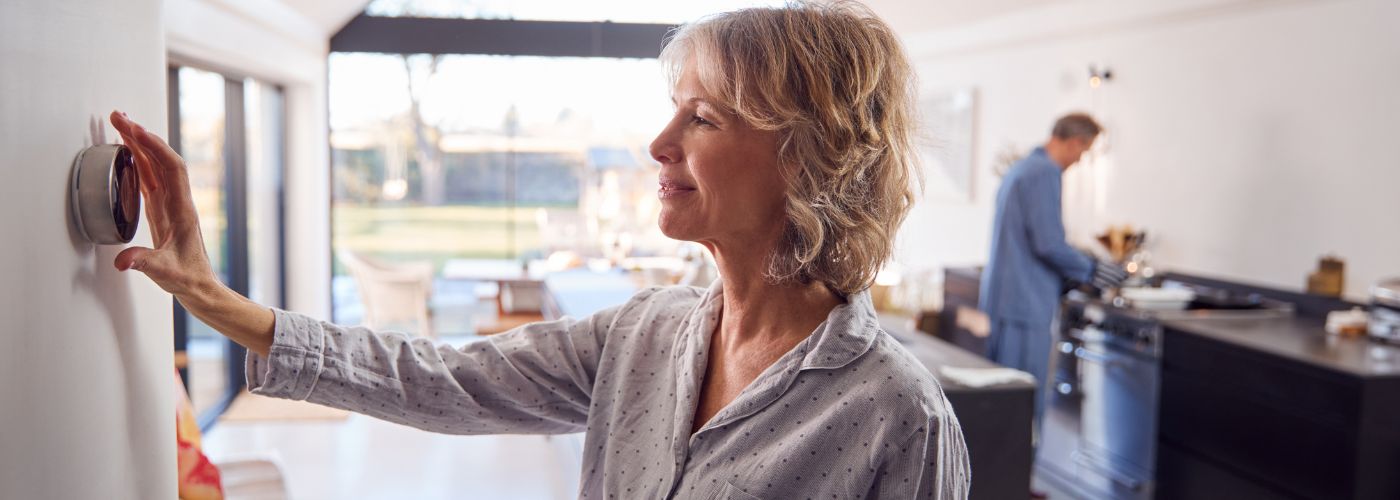
Instead of relying on guesswork, the thermostat uses sensors to monitor conditions and make small adjustments throughout the day. This creates a more stable indoor environment that feels more comfortable and supports better air quality.
Homes with balanced humidity levels often experience fewer issues with airborne irritants, musty odors, and moisture-related damage. During seasonal weather changes, smart thermostats can quickly adapt to outdoor conditions to keep indoor humidity from becoming too high or too low.
This constant monitoring helps maintain healthier air without requiring constant manual adjustments from homeowners.
Optimizes Air Circulation Through Automated Fan Control
Proper airflow plays an important role in keeping indoor air fresh and reducing airborne particles. Smart thermostats improve air quality by automatically controlling HVAC fan settings to circulate air more evenly throughout the home.
Rather than only running the fan during heating or cooling cycles, many smart systems can periodically activate the fan to keep air moving continuously.
This improved circulation helps prevent stagnant air from collecting in certain areas of the home. Rooms that normally feel stuffy can experience more balanced airflow, which may reduce odors and airborne contaminants.
Consistent air movement also helps distribute filtered air more effectively, allowing the HVAC system to remove dust and allergens more efficiently over time.
Automated fan schedules can also improve comfort without increasing energy waste. Many smart thermostats learn household routines and adjust fan usage based on occupancy patterns.
This means the system can provide cleaner air when the home is occupied while reducing unnecessary runtime when nobody is there. This helps with overall home efficiency.
Integrates With Air Purification and Filtration Systems
Advanced HVAC systems now include features designed specifically to clean indoor air. Smart thermostats improve air quality by integrating directly with whole-home air purifiers and upgraded filtration systems.
This allows multiple systems to work together automatically to reduce contaminants inside the home.
When connected to air purification equipment, smart thermostats can help increase filtration cycles during periods of poor indoor air conditions.

For example, if dust levels rise or airflow becomes restricted, the thermostat may trigger longer fan operation to push more air through the filters. This coordinated system helps remove airborne particles such as pollen, pet dander, and dust more effectively.
Better filtration support can be especially helpful for households with allergies, pets, or respiratory sensitivities because cleaner airflow reaches every room more consistently.
Some smart systems also send reminders when filters need replacement, helping homeowners maintain proper HVAC performance without forgetting regular maintenance tasks.
These integrations allow homeowners to create a healthier indoor environment without needing to monitor every component manually. Everything works together through one central control system, making air quality management easier and more reliable.
Monitors Indoor Conditions With Real-Time Sensors
Many modern systems include built-in sensors that constantly track indoor conditions. Smart thermostats improve air quality by collecting real-time data about temperature, humidity, and sometimes even airborne pollutants.
This information allows the HVAC system to react quickly whenever indoor conditions begin to change.
Real-time monitoring helps homeowners better understand how their indoor environment changes throughout the day. Some systems provide reports through mobile apps, showing humidity trends, airflow performance, and filter status updates. This allows users to identify potential problems before they become larger indoor air quality concerns.
Immediate system adjustments based on live indoor data can help prevent uncomfortable conditions from developing and reduce long-term strain on HVAC equipment.
Instead of waiting for air quality issues to become noticeable, the thermostat continuously works in the background to maintain healthier indoor conditions automatically.
These sensors also improve overall smart home efficiency. By accurately tracking conditions inside the home, the system avoids unnecessary heating or cooling cycles while still maintaining comfortable and clean indoor air. This balance helps improve comfort while potentially lowering energy usage over time.
Reduces Pollutant Buildup With Smarter Scheduling
Daily household activities can introduce many pollutants into indoor air. Cooking, cleaning products, pet activity, and outdoor contaminants brought inside can all affect indoor air quality over time.
Smart thermostats improve air quality by using smarter scheduling features that help manage airflow and ventilation more efficiently throughout the day.
Many systems allow homeowners to create schedules that increase ventilation during high-activity periods. For example, airflow can automatically increase during cooking hours or after large gatherings when indoor air tends to become more polluted. This helps remove airborne particles before they have time to settle and accumulate inside the home.
Smarter HVAC scheduling can reduce the chances of pollutants building up in enclosed spaces, helping the entire home feel fresher and cleaner on a daily basis.
Some systems can even use occupancy detection to adjust settings based on how many people are inside the home at a given time.
Over time, these automatic adjustments create a healthier indoor environment with less effort from the homeowner. Instead of constantly changing thermostat settings manually, smart technology handles these small but important changes automatically. This makes it easier to maintain cleaner air while also improving comfort and HVAC performance throughout the year.