
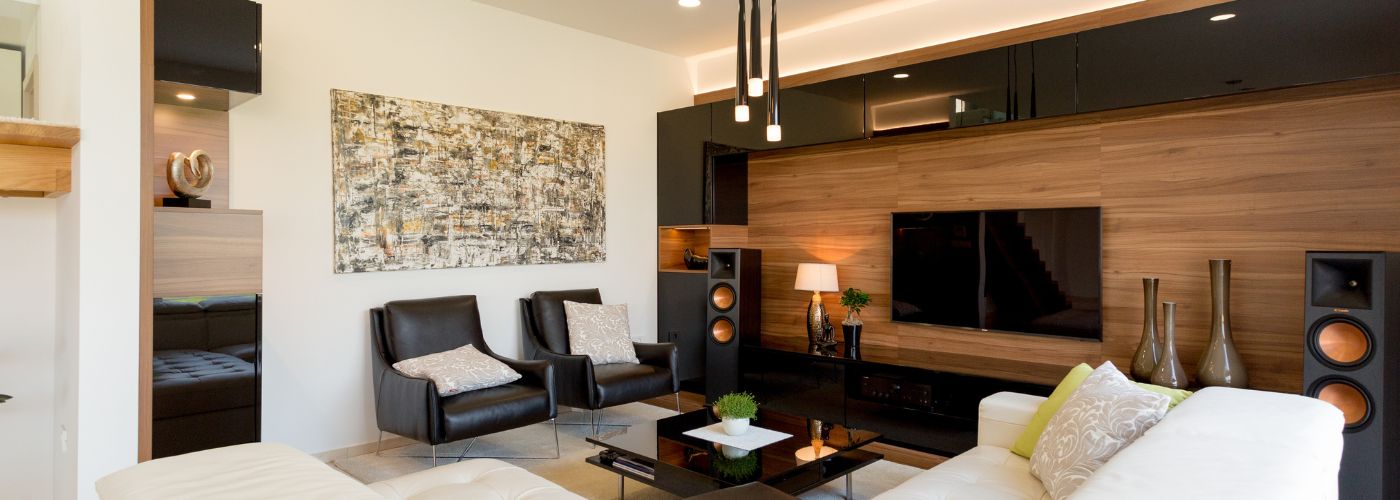
Learning how to design a whole-home audio system can completely change the way you enjoy music, movies, podcasts, and entertainment throughout your house. Whether you are upgrading a single floor or planning audio for an entire property, the right setup creates a seamless listening experience in every room.
This article goes over the most important tips, features, and planning ideas to help you build a system that fits your home and lifestyle.
Tips To Design A Whole-Home Audio System
When you begin to design a whole-home audio system, the first step is understanding how you want the system to function every day. Some homeowners want background music throughout the house, while others want dedicated entertainment zones for movies, gaming, or outdoor gatherings.
Thinking about your lifestyle helps you decide how many speakers, zones, and controls you will need before installation even begins.
Planning ahead for future upgrades can save both time and money as your entertainment needs grow over the years. It is also important to think about how the audio system will blend into your home’s layout and design. A good system should feel natural and easy to use, instead of overly complicated.
By carefully planning room coverage, controls, and speaker placement early on, you can avoid uneven sound quality and unnecessary equipment costs later.
Integrate Smart Controls and Voice Assistants
Modern homeowners often want convenience when they design a whole-home audio system, which is why smart controls and voice assistants have become so popular. Mobile apps, wall-mounted touch panels, and voice commands make it simple to control music throughout the home without needing multiple remotes.
Many systems allow users to adjust volume, switch playlists, or group rooms together using only their phone or voice.

Smart integration also allows your audio system to work alongside lighting, security, and other smart home features. For example, homeowners can create routines that automatically play relaxing music in the evening or turn on outdoor entertainment during gatherings.
Easy-to-use controls make the entire system more enjoyable for family members and guests who may not be familiar with advanced technology. Choosing a user-friendly platform helps ensure the system remains simple to manage every day.
Choose Between Wired and Wireless Audio Systems
One of the biggest decisions when you design a whole-home audio system is choosing between wired and wireless technology. Wired systems are known for their strong reliability and consistent sound quality.
They are often preferred for new construction homes or major renovations because cables can easily be hidden inside walls and ceilings during the building process.
Wireless systems, on the other hand, offer flexibility and easier installation for existing homes. Many homeowners choose wireless setups because they can add speakers room by room without opening walls or running extensive wiring.
A wireless setup can still deliver impressive sound quality while giving homeowners more freedom to expand their system over time. The best option depends on your home’s layout, budget, and long-term plans for entertainment and smart home integration.
Zone Audio for Different Rooms and Uses
Creating separate listening zones is an important part of learning how to design a whole-home audio system effectively. Different rooms often serve different purposes, so the sound setup should match the way each space is used.
A kitchen or dining area may only need background music, while a media room may require more powerful speakers and deeper bass for movies and entertainment.

Zone audio also gives family members more control over their listening experience. Someone can listen to podcasts in a home office while another person streams music outdoors without interrupting each other.
Customizing audio zones allows every area of the home to feel more functional and personalized. Careful zoning also helps improve energy efficiency because homeowners only use speakers in the spaces they actually need at any given time.
Select Speakers for Each Space
Choosing the right speakers is one of the most important steps when you design a whole-home audio system. Not every speaker type works well in every room, so it is important to match speaker styles with the size and purpose of the space.
In-wall and in-ceiling speakers are popular for maintaining a clean appearance, while bookshelf and floor-standing speakers may provide stronger sound performance in entertainment rooms.
Outdoor spaces require weather-resistant speakers that can handle heat, moisture, and changing weather conditions. Bathrooms, kitchens, and patios may also need specialized speaker materials for long-term durability.
The right speaker choice can improve sound clarity, comfort, and overall listening quality throughout the home. Taking the time to compare speaker performance, coverage, and design helps create a more balanced and enjoyable audio experience in every area.
Ensure Proper Placement for Balanced Sound
Speaker placement plays a major role in how well you design a whole-home audio system because even high-quality equipment can sound poor if positioned incorrectly.
Speakers should be placed in areas that distribute sound evenly throughout the room instead of focusing audio in only one direction. Ceiling height, furniture placement, and room size all affect how sound travels within a space.
It is also important to avoid placing speakers too close to corners or walls where sound reflections can create distortion or uneven volume levels. In larger rooms, additional speakers may be necessary to maintain balanced audio coverage from one side of the room to the other.
Proper placement helps create smooth and consistent sound without overwhelming certain areas of the home. Testing speaker locations before final installation can make a significant difference in long-term sound performance and listening comfort.