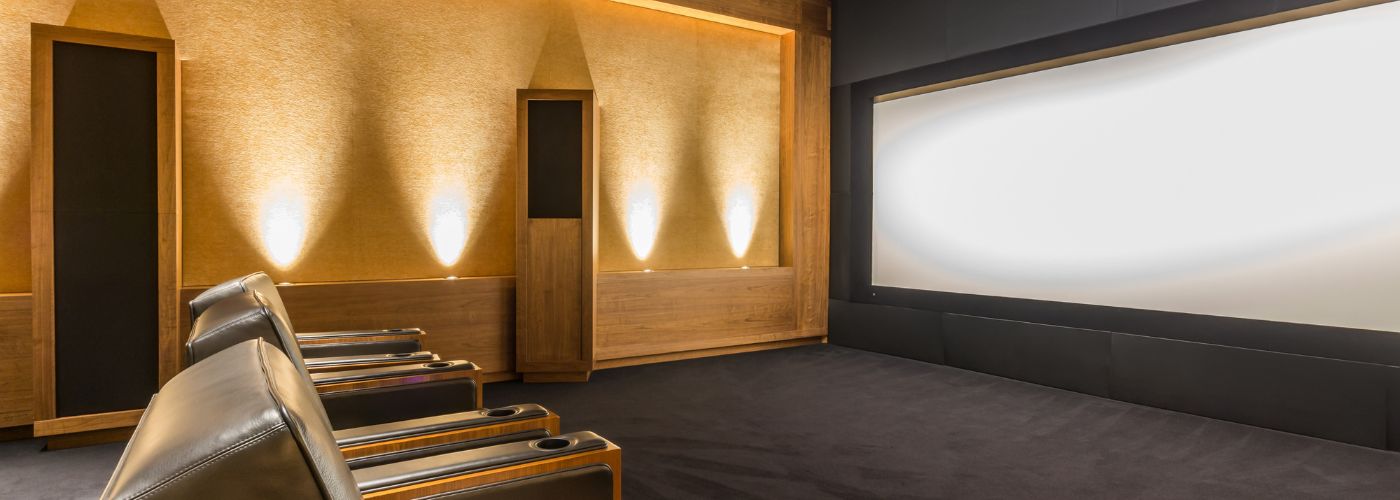
Are you tired of seeing your electricity bill rise every time you indulge in a movie night? Many homeowners overlook the energy consumption of their beloved home theater systems, but there are simple ways to enhance energy efficiency without sacrificing performance. In this article, we’ll dive into how to increase energy efficiency with a home theater system.
Ways To Boost Energy Efficiency With A Home Theater System
To enhance energy efficiency in your home theater system, consider optimizing the layout and design of the space. A well-organized room can improve airflow and reduce the need for additional cooling or heating. Use furniture that is designed to minimize energy loss, such as insulated curtains or rugs that help maintain temperature.
Incorporating natural materials can also contribute to a more comfortable environment without relying heavily on electronic climate control. Furthermore, investing in high-quality cables and connections can reduce signal loss, leading to better performance from your devices while consuming less power.
Another effective strategy is to limit the number of devices running simultaneously; prioritize using only essential equipment during viewing sessions. Additionally, schedule regular maintenance checks on all electronics to ensure they operate efficiently and don’t draw excess power due to wear or malfunction.
Choose A Projector With Low Energy Use
Choosing a projector with low energy use is one of the smartest moves for an energy-efficient home theater system. Many modern projectors come equipped with energy-saving modes that adjust brightness and contrast based on the room’s lighting conditions.
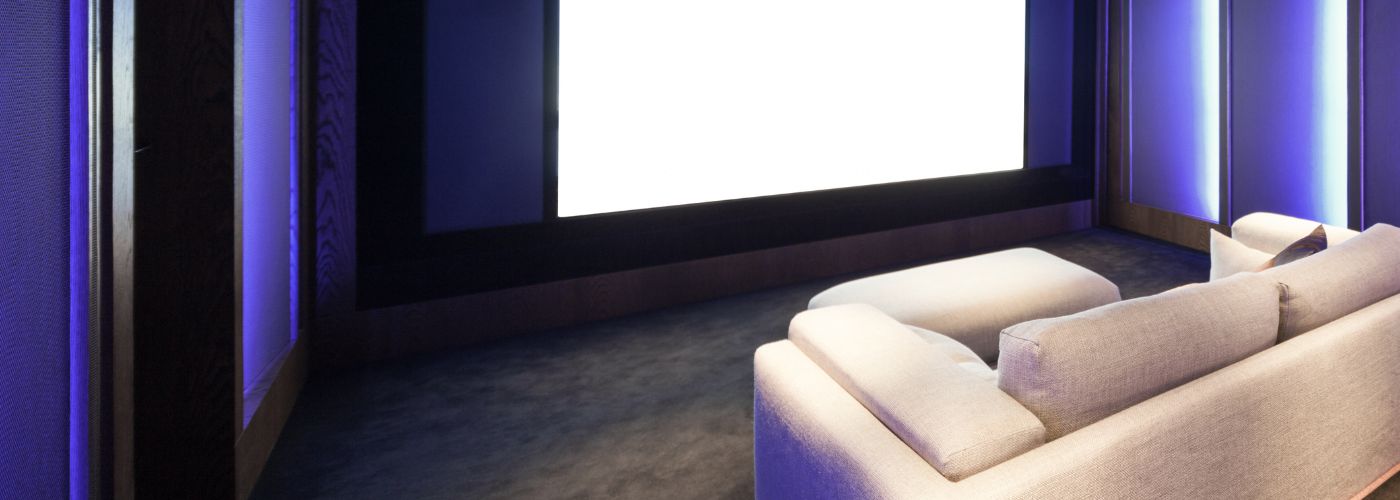
This not only reduces power consumption but also enhances image quality, making your movie nights both eco-friendly and visually stunning.
When looking at projectors, be sure to consider their brightness rating, measured in lumens. A projector with a lower lumen count may consume less energy, but ensure it can still provide adequate brightness for your viewing environment.
For darker rooms, a projector with around 1,500 to 2,500 lumens is typically sufficient, while brighter environments may require upwards of 3,000 lumens.
LED vs. OLED: Which TV is More Efficient?
When setting up a home theater system, consider the choice between LED vs. OLED? LED TVs generally consume less power than their OLED counterparts, making them a popular choice for energy-conscious consumers.
However, OLED displays offer superior picture quality and can be more efficient in darker viewing environments since they turn off individual pixels to achieve true blacks.
To enhance overall energy efficiency, pair your TV with smart home technology.
Additionally, using an AV receiver with eco modes can significantly reduce energy consumption without sacrificing audio quality. By making informed choices about your equipment and how you use it, you can enjoy your favorite films and shows while keeping energy bills in check.
Use Smart Plugs to Monitor Energy Consumption
One effective way to enhance energy efficiency in your home theater system is by using smart plugs to monitor energy consumption. These devices not only allow you to control when your equipment is on or off but also provide insights into how much energy each component uses.
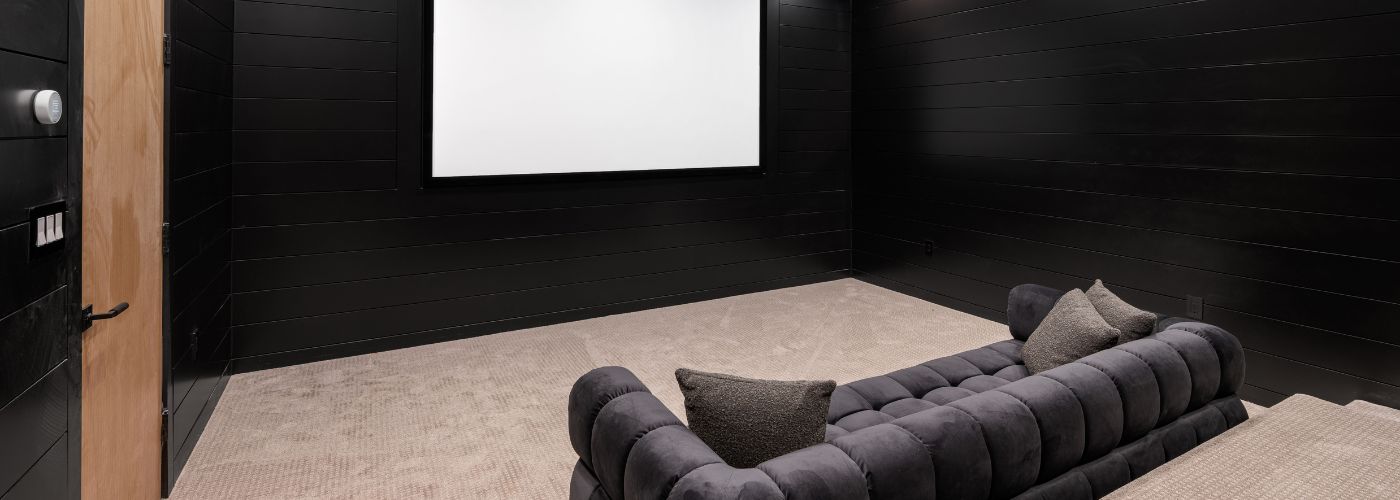
By identifying high-energy devices, you can make informed decisions about which gadgets to upgrade or replace with more efficient models. This simple step can lead to significant savings on your monthly electricity bill.
Smart plugs also enable you to set schedules for your devices, ensuring that they only operate when needed. For example, you can program your projector or sound system to turn on just before movie night and power down automatically afterward.
This reduces the risk of accidentally leaving devices on, which can waste energy over time.
Use A Smart Thermostat For Your Media Room
One of the simplest ways to enhance energy efficiency in your home theater system is to use a smart thermostat for your media room. By programming it to adjust the temperature based on when you’re watching movies or shows, you can save energy without sacrificing comfort.
When the room is unoccupied, the thermostat can automatically lower the temperature, reducing unnecessary heating or cooling. This not only cuts down on energy bills but also prolongs the lifespan of your HVAC system.
A smart thermostat can also integrate with other smart home devices, allowing for seamless automation of your media room environment. For instance, when you start a movie, the thermostat can lower the temperature while also dimming the lights and closing the curtains to create the perfect cinematic atmosphere.
Some smart thermostats even have learning capabilities, adapting to your preferences over time and optimizing settings based on your habits.
Energy-Saving Tips for Streaming Devices
When setting up your home theater system, consider integrating energy-saving tips for streaming devices. For instance, choose energy-efficient models that have low power consumption and automatic shut-off features.
This way, you can enjoy your favorite shows without worrying about a spike in your electricity bill. Additionally, using a smart power strip can help cut off power to devices that are not in use, further reducing energy waste.
Another effective approach is to optimize your viewing habits. Instead of binge-watching multiple episodes in one sitting, plan your viewing schedule to minimize idle time. You might also explore the option of downloading content for offline viewing.
By adopting these small changes, you can enjoy your home theater while being kind to both the planet and your wallet.